Running a small business is no small feat. Juggling leads, managing customer interactions, and keeping sales on track can feel overwhelming—especially without the right tools. That’s where a CRM system for small business steps in, quietly revolutionizing how entrepreneurs connect, convert, and retain customers.

What Is a CRM System for Small Business?

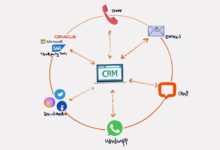
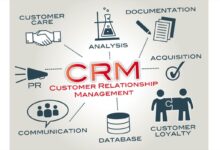
A Customer Relationship Management (CRM) system is more than just a digital rolodex. For small businesses, it’s a centralized platform that organizes customer data, tracks interactions, and streamlines sales, marketing, and support processes. Think of it as your business’s command center for all things customer-related.
Core Components of a Small Business CRM
Every effective CRM system for small business includes several foundational elements that work together to enhance efficiency and insight.
- Contact Management: Stores customer names, emails, phone numbers, purchase history, and communication logs in one searchable database.
- Sales Pipeline Tracking: Visualizes where each lead is in the sales funnel—prospect, negotiation, close—helping teams forecast revenue and prioritize follow-ups.
- Task & Activity Automation: Automates reminders, follow-up emails, appointment scheduling, and notifications to reduce manual work.
How CRM Differs for Small vs. Enterprise Businesses
While large corporations use complex, customizable CRM platforms with deep integrations, small businesses need simplicity, affordability, and speed. A CRM system for small business is typically cloud-based, easy to set up, and designed for teams of 1–50 people.
According to Salesforce, 74% of small businesses report improved customer satisfaction after implementing a CRM. The key difference? Scalability without complexity.
crm system for small business – Crm system for small business menjadi aspek penting yang dibahas di sini.
“A CRM isn’t just for big companies anymore. For small businesses, it’s the equalizer that levels the playing field.” — CRM Industry Analyst, Gartner
Top 7 Benefits of a CRM System for Small Business
Adopting a CRM system for small business isn’t just a tech upgrade—it’s a strategic move that impacts every part of your operation. From boosting sales to enhancing customer loyalty, the advantages are both measurable and transformative.
1. Centralized Customer Data for Smarter Decisions
One of the biggest challenges small businesses face is scattered information. Customer notes in emails, phone numbers in spreadsheets, and order history buried in invoices make it hard to deliver personalized service.
A CRM system for small business consolidates all customer interactions into a single profile. Every call, email, purchase, and support ticket is logged automatically. This 360-degree view allows teams to understand customer behavior, anticipate needs, and respond faster.
- Eliminates duplicate data entry
- Reduces human error in record-keeping
- Enables personalized communication at scale
2. Improved Sales Efficiency and Conversion Rates
Sales teams waste an average of 33% of their time on administrative tasks, according to Nucleus Research. A CRM automates much of this busywork, freeing up time for actual selling.
With built-in pipeline management, small businesses can track deals from initial contact to close. Automated follow-ups ensure no lead falls through the cracks. Managers gain real-time visibility into team performance, helping them coach reps and forecast revenue more accurately.
crm system for small business – Crm system for small business menjadi aspek penting yang dibahas di sini.
“Our sales cycle shortened by 22% within three months of using a CRM. We’re closing deals faster and with less effort.” — Sarah Lin, Owner of Bloom & Vine, a boutique floral business
3. Enhanced Customer Service and Retention
Retaining a customer is up to 5x cheaper than acquiring a new one, yet many small businesses struggle with post-sale engagement. A CRM system for small business helps maintain consistent communication through service tickets, feedback loops, and automated check-ins.
Support teams can quickly pull up a customer’s history, reducing resolution time. Automated satisfaction surveys help identify at-risk clients before they churn. Over time, this builds stronger relationships and increases lifetime value.
- Tracks service requests and response times
- Automates post-purchase follow-ups
- Identifies upsell opportunities based on past behavior
4. Streamlined Marketing Campaigns
Marketing doesn’t have to be complicated to be effective. A CRM allows small businesses to segment their audience, personalize messaging, and measure campaign performance—all from one dashboard.
Email marketing integrations let you send targeted campaigns based on customer behavior. For example, if someone abandoned their cart, the CRM can trigger a discount offer. If a customer hasn’t purchased in 90 days, they’re automatically added to a re-engagement sequence.
Platforms like HubSpot and Zoho offer built-in marketing automation tools tailored for small teams. According to HubSpot’s 2023 report, businesses using CRM-driven campaigns see a 45% higher conversion rate than those relying on generic blasts.
crm system for small business – Crm system for small business menjadi aspek penting yang dibahas di sini.
5. Data-Driven Decision Making
Many small business owners make decisions based on gut feeling. While intuition has its place, data is far more reliable. A CRM system for small business generates real-time reports on sales trends, customer acquisition costs, and team performance.
These insights help owners identify what’s working—and what’s not. For instance, if a particular product line has high return rates, the CRM data can prompt a review of quality control or customer expectations.
- Generates visual dashboards for quick insights
- Tracks KPIs like lead conversion rate, average deal size, and customer lifetime value
- Supports A/B testing for marketing and sales strategies
6. Scalability Without Complexity
One of the greatest strengths of modern CRM platforms is their ability to grow with your business. You don’t need to overhaul your system when you hire new staff or launch new products.
Most CRM systems for small business offer tiered pricing and modular features. Start with contact management and sales tracking, then add marketing automation, inventory sync, or telephony as needed. This flexibility ensures you only pay for what you use—without sacrificing future potential.
“We started with 5 users and a basic plan. Two years later, we’re on a premium tier with 18 team members. The transition was seamless.” — Jamal Carter, Founder of UrbanFit Gym
7. Remote Collaboration and Mobile Access
In today’s hybrid work environment, having access to customer data from anywhere is essential. Cloud-based CRM systems offer mobile apps and web access, allowing sales reps, support agents, and managers to stay connected on the go.
crm system for small business – Crm system for small business menjadi aspek penting yang dibahas di sini.
Whether you’re at a client meeting, working from home, or traveling, you can update records, log calls, and send emails directly from your phone. This real-time collaboration ensures no opportunity is missed, no matter where your team is located.
- Syncs across devices in real time
- Offers offline mode for areas with poor connectivity
- Supports role-based access for security
How to Choose the Right CRM System for Small Business
With dozens of CRM options on the market, selecting the right one can feel overwhelming. The key is to align the platform’s capabilities with your business goals, team size, and budget.
1. Define Your Business Needs and Goals
Before comparing features, ask yourself: What problem are you trying to solve? Is it lead tracking? Poor customer follow-up? Inefficient marketing?
Write down your top 3 objectives. For example:
- Reduce response time to customer inquiries
- Increase email campaign open rates
- Improve sales forecasting accuracy
These goals will guide your CRM selection process and help you avoid feature overload.
2. Evaluate Key Features and Usability
The best CRM system for small business balances functionality with ease of use. Look for platforms with intuitive interfaces, drag-and-drop pipeline builders, and minimal learning curves.
crm system for small business – Crm system for small business menjadi aspek penting yang dibahas di sini.
Essential features to consider:
- Contact and lead management
- Automated workflows
- Email integration (Gmail, Outlook)
- Mobile app availability
- Reporting and analytics
- Third-party integrations (e.g., Shopify, QuickBooks, Mailchimp)
Avoid tools that require extensive training or IT support—your team should be up and running in under a week.
3. Consider Pricing and Scalability
Most CRM providers offer tiered pricing based on users and features. While free plans exist (like HubSpot CRM), they often lack advanced automation or phone support.
Compare costs over a 12-month period, factoring in:
- Per-user monthly fees
- Setup or onboarding costs
- Cost of add-ons (e.g., calling features, advanced reporting)
Popular pricing examples:
- HubSpot CRM: Free core features; paid tiers start at $50/month
- Zoho CRM: Free for up to 3 users; paid plans from $14/user/month
- Salesforce Starter: $25/user/month
- Pipedrive: $14.90/user/month
Choose a platform that allows you to upgrade seamlessly as your business grows.
Top 5 CRM Systems for Small Business in 2024
Not all CRMs are created equal. Based on user reviews, ease of use, and value for money, here are five of the best CRM systems for small business this year.
1. HubSpot CRM
HubSpot is widely regarded as the gold standard for small business CRMs. Its free plan includes contact management, email tracking, deal pipelines, and live chat—making it ideal for startups and solopreneurs.
crm system for small business – Crm system for small business menjadi aspek penting yang dibahas di sini.
Paid tiers unlock marketing automation, custom reporting, and advanced workflows. The platform integrates seamlessly with over 1,000 apps, including Google Workspace, Slack, and Shopify.
- Pros: Free forever plan, intuitive UI, excellent onboarding resources
- Cons: Advanced features require expensive upgrades
- Best for: Marketing-focused small businesses and growing startups
Learn more at HubSpot CRM.
2. Zoho CRM
Zoho CRM offers exceptional value with robust automation, AI-powered insights (Zia), and deep customization options. It’s particularly strong for businesses that need workflow automation without a steep learning curve.
The platform supports multi-channel communication (email, phone, social media) and includes built-in telephony. Zoho’s ecosystem also allows integration with other Zoho apps like Books, Campaigns, and Desk.
- Pros: Affordable pricing, strong automation, AI assistant
- Cons: Interface can feel cluttered for beginners
- Best for: Sales-driven teams and service-based businesses
Visit Zoho CRM for a free trial.
crm system for small business – Crm system for small business menjadi aspek penting yang dibahas di sini.
3. Salesforce Starter
Salesforce, long the leader in enterprise CRM, now offers a streamlined version for small businesses. Salesforce Starter includes lead and deal management, email integration, and basic automation.
It’s a great choice if you anticipate rapid growth and want to avoid switching platforms later. The Lightning interface is modern and customizable, and Salesforce’s AppExchange offers thousands of integrations.
- Pros: Scalable, powerful ecosystem, excellent reporting
- Cons: Higher price point, steeper learning curve
- Best for: Ambitious small businesses planning to scale
Explore Salesforce Starter for more details.
4. Pipedrive
Pipedrive is built specifically for sales teams. Its visual pipeline interface makes it easy to see where each deal stands. The platform excels at guiding users through the sales process with automation, reminders, and activity tracking.
It’s particularly popular among real estate agents, consultants, and B2B service providers. Pipedrive also offers native calling, email integration, and robust reporting.
crm system for small business – Crm system for small business menjadi aspek penting yang dibahas di sini.
- Pros: Sales-focused design, easy to learn, strong mobile app
- Cons: Limited marketing features in lower tiers
- Best for: Sales-heavy small businesses
Check out Pipedrive for a demo.
5. Freshsales (by Freshworks)
Freshsales combines CRM functionality with AI-driven insights and built-in phone and email. Its strength lies in lead scoring and engagement tracking—helping teams prioritize the hottest prospects.
The platform offers a clean, modern interface and excellent customer support. It’s ideal for businesses that want an all-in-one solution without sacrificing usability.
- Pros: Built-in calling, AI lead scoring, intuitive design
- Cons: Fewer third-party integrations than competitors
- Best for: Tech-savvy small businesses and SaaS startups
Discover more at Freshsales.
Common CRM Implementation Mistakes to Avoid
Even the best CRM system for small business can fail if implemented poorly. Many businesses rush into setup without proper planning, leading to low adoption and wasted investment.
crm system for small business – Crm system for small business menjadi aspek penting yang dibahas di sini.
1. Skipping the Planning Phase
Jumping straight into data migration without defining goals or workflows is a recipe for chaos. Before installing any CRM, map out your sales process, customer journey, and team responsibilities.
Ask: What stages do leads go through? Who owns each step? What data is essential? This clarity ensures your CRM is configured to support—not disrupt—your operations.
2. Poor Data Migration and Cleanup
Importing messy, outdated, or duplicate data into a new CRM undermines its effectiveness. Take time to clean your existing databases—remove inactive contacts, standardize formats, and verify email addresses.
Most CRM platforms offer import tools for CSV files. Test with a small batch first to ensure fields map correctly. Consider using a data cleansing tool like Import.io or Tray.io for complex migrations.
3. Lack of Team Training and Buy-In
If your team doesn’t understand how to use the CRM—or doesn’t see its value—they won’t use it consistently. This leads to incomplete records and inaccurate reporting.
crm system for small business – Crm system for small business menjadi aspek penting yang dibahas di sini.
Schedule hands-on training sessions. Highlight how the CRM makes their job easier—like automating follow-ups or reducing manual entry. Assign a CRM champion to answer questions and encourage adoption.
“We rolled out our CRM without training. After two months, only 30% of the team was using it. Once we invested in onboarding, adoption jumped to 95%.” — Maria Tran, Operations Manager at TechEdge Solutions
4. Over-Customizing Too Early
While customization is powerful, tweaking every field and workflow before understanding how the CRM works can backfire. Start with default settings, let your team get comfortable, then make incremental improvements.
Resist the urge to build complex automations on day one. Instead, focus on core processes like lead entry and follow-up sequences. Optimize based on real usage data, not assumptions.
How to Successfully Implement a CRM System for Small Business
Successful CRM adoption isn’t just about technology—it’s about people, process, and planning. Follow this step-by-step guide to ensure a smooth rollout.
Step 1: Assemble Your Implementation Team
Even in small businesses, CRM success requires collaboration. Identify key stakeholders: the owner, sales manager, marketing lead, and IT/contact person.
crm system for small business – Crm system for small business menjadi aspek penting yang dibahas di sini.
Assign roles: Who will manage user accounts? Who will handle data migration? Who will train the team? Clear ownership prevents confusion and ensures accountability.
Step 2: Map Your Sales and Customer Processes
Document your current workflows. For example:
- How do leads enter the system? (Website form, phone call, referral)
- What happens after a lead is captured? (Email sequence, call within 24 hours)
- What defines a qualified lead? (Budget, authority, need, timeline)
- How are deals closed and handed off to fulfillment?
This map becomes the blueprint for configuring your CRM.
Step 3: Customize and Configure the CRM
Now, set up your CRM based on your process map. This includes:
- Creating custom fields (e.g., industry, lead source)
- Setting up pipeline stages
- Designing email templates and automation rules
- Integrating with email, calendar, and other tools
Use the platform’s onboarding wizard if available. Most CRMs offer guided setup for common industries.
Step 4: Migrate and Cleanse Data
Import your existing customer data carefully. Use the CRM’s import tool and validate field mappings. Remove duplicates and outdated entries before uploading.
After import, run a data audit. Check that key fields (name, email, phone) are populated and accurate. Test search functionality to ensure records are findable.
crm system for small business – Crm system for small business menjadi aspek penting yang dibahas di sini.
Step 5: Train Your Team and Launch
Conduct live training sessions—don’t just send a manual. Show your team how to log calls, update deals, and use automation.
Start with a soft launch: let one department (e.g., sales) use it for a week before company-wide rollout. Gather feedback and make adjustments.
Finally, celebrate the launch! Recognize early adopters and share quick wins—like “We closed our first CRM-tracked deal!”
Future Trends in CRM for Small Businesses
The CRM landscape is evolving fast. Small businesses that stay ahead of trends can gain a competitive edge in customer experience and operational efficiency.
1. AI-Powered Insights and Automation
Artificial intelligence is no longer just for big tech. Modern CRM systems for small business now include AI features like:
crm system for small business – Crm system for small business menjadi aspek penting yang dibahas di sini.
- Predictive lead scoring (identifying high-conversion prospects)
- Smart email replies (suggesting responses based on context)
- Automated data entry (extracting info from emails and calls)
Platforms like Zoho Zia and Salesforce Einstein are making AI accessible and affordable.
2. Voice-Activated CRM and Conversational Interfaces
Imagine saying, “Log a call with John about the Q3 contract,” and your CRM does it automatically. Voice integration is becoming a reality through tools like Alexa for Business and Google Assistant integrations.
Conversational CRM—where chatbots handle initial inquiries and pass qualified leads to humans—is also gaining traction. This reduces response time and frees up staff for complex tasks.
3. Hyper-Personalization at Scale
Customers expect personalized experiences. Future CRM systems will use behavioral data, purchase history, and even sentiment analysis to tailor every interaction.
For example, a CRM might suggest a specific discount based on a customer’s browsing behavior or recommend a product upgrade after detecting usage patterns.
crm system for small business – Crm system for small business menjadi aspek penting yang dibahas di sini.
4. Deeper Integration with E-commerce and Accounting Tools
CRMs are no longer standalone tools. They’re becoming central hubs that connect with Shopify, WooCommerce, QuickBooks, and Xero.
This integration ensures customer data flows seamlessly from purchase to support, eliminating silos and improving accuracy. For small businesses, this means less manual reconciliation and better financial visibility.
Real-World Success Stories: CRM Transformations
Don’t just take our word for it. Here are three real small businesses that transformed their operations with a CRM system for small business.
Case Study 1: The Local Bakery That Doubled Repeat Sales
Sweet Rise Bakery in Portland struggled with inconsistent customer follow-up. They relied on handwritten notes and memory to track special orders and birthdays.
After implementing HubSpot CRM, they automated birthday emails with discount codes and tracked customer preferences (e.g., gluten-free, vegan). Within six months, repeat customer visits increased by 89%, and online orders rose by 65%.
crm system for small business – Crm system for small business menjadi aspek penting yang dibahas di sini.
“The CRM helped us treat every customer like a regular—even if they only came in once a month.” — Lena Park, Owner
Case Study 2: The Consulting Firm That Cut Proposal Time by 50%
StratEdge Consulting spent hours each week creating custom proposals. They used templates, but still had to manually insert client details and pricing.
By switching to Zoho CRM, they integrated their proposal tool and automated data population. Now, when a deal reaches the “proposal” stage, a customized document is generated in seconds. The team saves 15+ hours per week and has improved win rates by 20%.
Case Study 3: The E-commerce Store That Reduced Churn by 30%
Urban Threads, a small online apparel brand, faced high customer churn. They had no system to identify at-risk buyers or re-engage lapsed customers.
After integrating Freshsales with their Shopify store, they set up automated win-back campaigns and monitored customer satisfaction via post-purchase surveys. Churn dropped by 30%, and customer lifetime value increased by 42% in one year.
What is a CRM system for small business?
crm system for small business – Crm system for small business menjadi aspek penting yang dibahas di sini.
A CRM (Customer Relationship Management) system for small business is a software platform that helps manage customer interactions, track sales pipelines, automate marketing, and improve customer service—all in one centralized location. It’s designed to be affordable, easy to use, and scalable for small teams.
How much does a CRM system for small business cost?
Costs vary by provider and features. Many CRMs offer free plans for basic use (e.g., HubSpot CRM). Paid plans typically range from $12 to $50 per user per month. Some, like Zoho CRM, offer free tiers for up to 3 users.
Can a CRM help with marketing automation?
Yes. Most modern CRM systems for small business include marketing automation features like email campaigns, lead scoring, and behavior-based triggers. These help businesses nurture leads and re-engage customers without manual effort.
Is a CRM worth it for a small business?
Absolutely. A CRM improves efficiency, boosts sales, enhances customer service, and provides valuable insights. According to Salesforce, small businesses using CRM see a 29% increase in sales performance on average.
How long does it take to implement a CRM?
With proper planning, most small businesses can set up and launch a CRM in 1–4 weeks. Factors include data complexity, team size, and customization needs. Simple platforms like Pipedrive can be operational in as little as 3 days.
Implementing a CRM system for small business is one of the most impactful decisions you can make. It transforms chaos into clarity, guesswork into strategy, and isolated efforts into coordinated growth. Whether you’re a solopreneur or a growing team, the right CRM empowers you to build stronger customer relationships, close more deals, and scale with confidence. The future of small business success isn’t just about working harder—it’s about working smarter. And a CRM is your smartest tool yet.
Further Reading: