Ever wondered what lies behind the term ‘b2b sales meaning’? It’s more than just businesses selling to other businesses—it’s a strategic, relationship-driven process that fuels global commerce. Let’s break it down in simple, powerful terms.
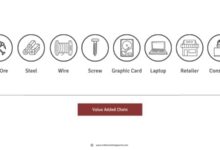
Understanding the Core B2B Sales Meaning

The b2b sales meaning refers to the process where one business sells products or services to another business, rather than to individual consumers. Unlike B2C (business-to-consumer) sales, B2B transactions are typically larger in scale, involve longer sales cycles, and require a deeper understanding of the client’s operational needs.
What Sets B2B Apart from B2C?
While both models aim to generate revenue, the fundamental b2b sales meaning diverges significantly from B2C in terms of decision-making, pricing, and relationship dynamics.
- Decision-makers: B2B sales often involve multiple stakeholders, such as procurement teams, technical evaluators, and C-suite executives.
- Sales cycle: B2B deals can take weeks or months to close, compared to the often instantaneous nature of B2C purchases.
- Value proposition: B2B focuses on ROI, efficiency, and long-term partnership, while B2C leans on emotion and personal benefit.
Key Components of B2B Sales
To fully grasp the b2b sales meaning, it’s essential to understand its core components:
- Lead generation: Identifying potential business clients through marketing, networking, or referrals.
- Needs assessment: Understanding the client’s pain points and operational challenges.
- Solution presentation: Tailoring a product or service offering to meet specific business needs.
- Negotiation and closing: Finalizing contracts, pricing, and delivery terms.
“B2B sales isn’t about pushing a product—it’s about solving a business problem.” — Forbes
Evolution of B2B Sales Over the Decades
The b2b sales meaning has evolved dramatically from traditional face-to-face meetings to digital-first, data-driven strategies. Understanding this evolution helps contextualize modern practices.
From Cold Calls to Digital Outreach
In the 1980s and 1990s, B2B sales relied heavily on cold calling, trade shows, and printed catalogs. Sales reps built relationships through in-person visits and phone calls. Today, digital tools like LinkedIn, email automation, and CRM platforms have transformed how businesses connect.
- Email campaigns now replace mass mailers.
- Social selling is a dominant strategy, with 78% of B2B buyers using social media in their purchasing decisions (source: Forbes).
- Video conferencing tools like Zoom have made remote demos and negotiations standard.
The Role of Data and Analytics
Modern B2B sales are powered by data. Companies now use predictive analytics, customer behavior tracking, and AI-driven insights to personalize outreach and forecast sales trends.
- CRMs like Salesforce and HubSpot track every interaction, enabling precise follow-ups.
- Lead scoring systems prioritize high-intent prospects based on engagement metrics.
- AI chatbots assist in qualifying leads 24/7, reducing response time.
The B2B Sales Funnel: A Step-by-Step Breakdown
Understanding the b2b sales meaning requires a clear view of the sales funnel—a structured process that guides prospects from awareness to purchase.
Stage 1: Awareness
At this stage, potential clients become aware of a problem they have or a solution that exists. Businesses use content marketing, SEO, and social media to attract attention.
- Blogs, whitepapers, and webinars educate prospects.
- Search engine visibility is crucial—68% of B2B researchers start with a generic search (source: Google).
Stage 2: Consideration
Prospects are now evaluating different solutions. This is where sales teams engage with personalized outreach.
- Demos and case studies showcase real-world applications.
- Free trials or consultations lower the barrier to entry.
- Sales reps act as consultants, not just sellers.
Stage 3: Decision
The final stage involves negotiation, contract signing, and onboarding. Trust and reliability are paramount.
- Legal and finance teams often get involved.
- Service level agreements (SLAs) are negotiated.
- Onboarding ensures smooth implementation.
Key Players in the B2B Sales Process
The b2b sales meaning isn’t just about the seller and buyer—it involves a network of roles that influence the outcome.
Sales Representatives and Account Managers
These are the frontline warriors. They identify leads, conduct outreach, and nurture relationships.
- Inside sales reps handle remote communication.
- Field sales reps conduct in-person meetings for high-value deals.
- Account managers maintain post-sale relationships to ensure retention.
Decision Makers and Influencers
In B2B, no single person usually makes the final call. Understanding the buying committee is critical.
b2b sales meaning – B2b sales meaning menjadi aspek penting yang dibahas di sini.
- Economic buyer: The person who approves the budget (e.g., CFO).
- Technical buyer: Evaluates product compatibility (e.g., IT manager).
- User buyer: The end-user who will interact with the product daily.
- Coach or champion: An internal advocate who supports your solution.
Marketing and Support Teams
Sales doesn’t operate in a vacuum. Marketing generates leads, and support ensures customer satisfaction.
- Marketing creates targeted campaigns to attract qualified leads.
- Customer support resolves issues that could impact renewal or expansion.
- Product teams provide technical insights during sales discussions.
B2B Sales Models: Which One Fits Your Business?
The b2b sales meaning varies depending on the sales model adopted. Different industries and company sizes use different approaches.
Transactional Sales
This model focuses on quick, one-time sales with minimal relationship building. It’s common for low-cost, standardized products.
- Example: Office supplies sold through e-commerce platforms.
- Low-touch, high-volume approach.
- Relies on efficient logistics and pricing.
Solution Selling
This consultative approach involves understanding the client’s business deeply and offering a tailored solution.
- Common in software, consulting, and enterprise tech.
- Sales reps act as advisors.
- Longer sales cycle but higher customer lifetime value.
Strategic Partnership Selling
This is the most complex model, where two businesses form a long-term alliance to co-create value.
- Example: A cloud provider partnering with a cybersecurity firm.
- Focus on mutual growth and innovation.
- Requires executive-level alignment and shared KPIs.
Technology Driving Modern B2B Sales
Technology has redefined the b2b sales meaning, making processes faster, smarter, and more scalable.
CRM Systems: The Backbone of B2B Sales
Customer Relationship Management (CRM) platforms like Salesforce, Microsoft Dynamics, and Zoho are essential for tracking interactions, managing pipelines, and forecasting revenue.
- Automate follow-ups and reminders.
- Provide dashboards for real-time performance tracking.
- Integrate with email, calendar, and marketing tools.
AI and Automation in Sales
Artificial Intelligence is no longer futuristic—it’s a daily tool in B2B sales.
- AI-powered chatbots qualify leads on websites.
- Predictive analytics forecast which leads are most likely to convert.
- Natural language processing (NLP) analyzes call transcripts for insights.
“AI in sales can increase productivity by up to 40%.” — Harvard Business Review
Video and Virtual Selling Tools
Post-pandemic, virtual selling has become the norm. Tools like Zoom, Loom, and Demio enable personalized, scalable engagement.
- Recorded demos allow prospects to review at their own pace.
- Screen sharing enhances product demonstrations.
- Virtual whiteboards facilitate collaborative planning.
Challenges in B2B Sales and How to Overcome Them
Despite its potential, the b2b sales meaning comes with significant challenges that can stall growth if not addressed.
Long Sales Cycles and Decision Fatigue
B2B sales often take months to close due to complex approval processes. This leads to decision fatigue for both buyers and sellers.
- Solution: Break the process into smaller milestones with clear deliverables.
- Provide regular value updates to keep momentum.
- Use case studies to reduce perceived risk.
Competition and Price Pressure
Many B2B markets are saturated, making differentiation difficult. Buyers often compare multiple vendors on price and features.
- Solution: Focus on unique value propositions (UVP), not just price.
- Highlight ROI and long-term savings.
- Offer bundled services or customization.
Customer Retention and Churn
Acquiring a new B2B customer can cost 5–25x more than retaining an existing one (source: Zendesk). Churn is a major concern.
- Solution: Implement proactive account management.
- Conduct regular check-ins and satisfaction surveys.
- Offer upsell and cross-sell opportunities based on usage.
Future Trends Shaping B2B Sales
The b2b sales meaning will continue to evolve with technology, buyer behavior, and global economic shifts.
b2b sales meaning – B2b sales meaning menjadi aspek penting yang dibahas di sini.
Rise of Self-Service and Digital Buying
More B2B buyers prefer to research and purchase online without direct sales contact. Gartner predicts that by 2025, 80% of B2B purchases will be made digitally.
- Companies must invest in intuitive e-commerce platforms.
- Transparent pricing and instant quoting are becoming expected.
- Interactive product configurators enhance the buying experience.
Personalization at Scale
Buyers expect personalized experiences, even in B2B. Generic outreach is no longer effective.
- Use data to tailor messaging based on industry, role, and pain points.
- Dynamic content in emails and websites improves engagement.
- AI-driven recommendations mimic B2C personalization.
Sustainability and Ethical Selling
B2B buyers increasingly consider a vendor’s environmental and social impact.
- Highlight sustainable practices in your supply chain.
- Offer carbon-neutral shipping or energy-efficient products.
- Transparency in sourcing builds trust.
What is the basic b2b sales meaning?
The basic b2b sales meaning is the process of one business selling products or services to another business. It focuses on solving business problems, involves multiple decision-makers, and typically has longer sales cycles than consumer sales.
How does b2b sales differ from b2c sales?
B2B sales involve longer decision-making processes, higher transaction values, and a focus on ROI and efficiency. B2C sales are more emotional, faster, and involve individual consumers making personal purchases.
What are the key skills needed for b2b sales success?
Top skills include active listening, consultative selling, negotiation, industry knowledge, CRM proficiency, and the ability to build long-term relationships.
What role does technology play in modern b2b sales?
Technology enables automation, data analytics, virtual selling, and personalized outreach. Tools like CRM, AI, and video platforms are now essential for competitive B2B sales teams.
How can companies improve their b2b sales performance?
Companies can improve by aligning sales and marketing, investing in training, leveraging data, adopting modern tools, and focusing on customer success and retention.
Understanding the b2b sales meaning is crucial for any business aiming to thrive in today’s competitive landscape. From its foundational principles to the latest technological advancements, B2B sales is a dynamic, strategic process that demands expertise, patience, and adaptability. Whether you’re a startup or an enterprise, mastering the nuances of B2B selling—through relationship-building, data-driven strategies, and customer-centric solutions—can unlock sustainable growth. As digital transformation accelerates and buyer expectations evolve, the future of B2B sales lies in agility, personalization, and value creation. Embrace these principles, and you’ll not only survive but lead in the ever-changing world of business-to-business commerce.
b2b sales meaning – B2b sales meaning menjadi aspek penting yang dibahas di sini.
Further Reading:
