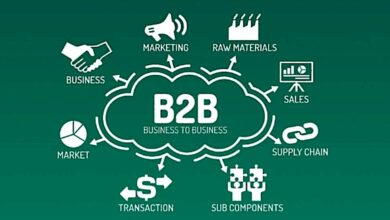
In today’s hyper-competitive digital landscape, mastering the art of B2B Prime isn’t just an advantage—it’s a necessity. Discover how top companies leverage B2B Prime strategies to dominate markets, boost ROI, and build unshakable client relationships.




What Exactly Is B2B Prime and Why It Matters

The term B2B Prime has emerged as a game-changer in the world of business-to-business operations. While many confuse it with standard B2B models, B2B Prime represents a refined, data-driven, and customer-centric evolution of traditional B2B practices. It’s not just about selling products or services between companies—it’s about delivering exceptional value, speed, and reliability at every touchpoint.
Defining the Core Concept of B2B Prime
At its heart, B2B Prime is a strategic framework that combines advanced logistics, personalized customer experiences, and seamless digital integration to elevate B2B transactions. Think of it as the B2C-level convenience and speed—like Amazon Prime—but tailored for enterprise clients. It emphasizes rapid delivery, transparent communication, and scalable solutions that meet the evolving demands of modern businesses.
- Focuses on end-to-end customer journey optimization
- Leverages AI and automation for predictive ordering
- Integrates real-time inventory and shipment tracking
According to a McKinsey report, companies adopting Prime-like B2B models see up to 30% faster order fulfillment and a 25% increase in customer retention.
How B2B Prime Differs from Traditional B2B Models
Traditional B2B transactions often involve long lead times, manual processes, and fragmented communication. In contrast, B2B Prime streamlines operations through automation, cloud-based platforms, and customer self-service portals. The shift is akin to moving from paper invoices and phone calls to AI-powered dashboards and one-click reordering.
- Traditional B2B: Batch processing, delayed responses, static pricing
- B2B Prime: Real-time updates, dynamic pricing, instant support
- Customer expectations are now shaped by B2C experiences, forcing B2B to adapt
“The line between B2B and B2C is blurring. Buyers expect Amazon-like speed and simplicity, even in complex enterprise deals.” — Gartner Research, 2023
The Evolution of B2B Prime: From Concept to Global Standard
B2B Prime didn’t emerge overnight. Its roots trace back to the early 2010s when e-commerce giants began experimenting with subscription-based delivery models. As Amazon Prime reshaped consumer expectations, businesses started demanding the same efficiency in their supply chains. This demand catalyzed the evolution of B2B Prime into a full-fledged operational model.
Historical Milestones in B2B Prime Development
The journey of B2B Prime can be broken down into key phases:
- 2010–2015: Rise of B2C Prime models; early adoption in B2B niche sectors like tech and pharmaceuticals
- 2016–2019: Expansion of digital marketplaces (e.g., Alibaba, ThomasNet) integrating Prime-like features
- 2020–2022: Pandemic-driven digital acceleration; surge in demand for contactless, fast B2B deliveries
- 2023–Present: AI integration, predictive analytics, and ecosystem partnerships define the new B2B Prime standard
A pivotal moment came in 2021 when Amazon Business launched B2B Prime, offering businesses free two-day shipping, business-only pricing, and tax-exempt shopping. This move legitimized B2B Prime as a scalable, enterprise-ready solution.
Key Drivers Behind the B2B Prime Revolution
Several forces are fueling the rapid adoption of B2B Prime:
- Digital Transformation: Cloud computing and SaaS platforms enable seamless integration of procurement, logistics, and CRM systems.
- Customer Expectations: Decision-makers, influenced by their personal shopping experiences, now demand faster, more transparent B2B interactions.
- Supply Chain Resilience: Post-pandemic, companies prioritize reliability and speed over cost alone.
- Competitive Pressure: Early adopters gain significant market share, forcing others to follow suit.
For example, companies like Siemens and GE have integrated B2B Prime principles into their industrial supply chains, reducing downtime and improving service levels for their clients.
B2B Prime and Digital Transformation: A Perfect Match
Digital transformation is not just a buzzword—it’s the backbone of B2B Prime. Without robust digital infrastructure, the promises of speed, transparency, and personalization cannot be fulfilled. B2B Prime thrives on technologies that automate workflows, enhance data visibility, and empower customers with self-service tools.
Role of AI and Machine Learning in B2B Prime
Artificial Intelligence (AI) is revolutionizing how B2B companies anticipate needs and deliver value. In a B2B Prime environment, AI powers:
- Predictive ordering based on usage patterns
- Dynamic pricing models that adjust to market conditions
- Chatbots and virtual assistants for 24/7 customer support
For instance, IBM’s AI-driven procurement tools help enterprises forecast demand with 90% accuracy, reducing overstocking and stockouts. This level of intelligence is central to the B2B Prime promise.
Cloud Platforms and ERP Integration
Cloud-based Enterprise Resource Planning (ERP) systems like SAP S/4HANA, Oracle NetSuite, and Microsoft Dynamics 365 are critical enablers of B2B Prime. They allow real-time synchronization of inventory, sales, and logistics data across departments and partners.
- Centralized data hubs eliminate silos
- Automated purchase order processing reduces errors
- Integration with e-commerce platforms enables seamless ordering
When a manufacturer using NetSuite receives a bulk order, the system automatically checks inventory, schedules production, and arranges shipping—all within minutes. This is the essence of B2B Prime efficiency.
Customer Experience in the B2B Prime Era
One of the most transformative aspects of B2B Prime is its focus on customer experience (CX). Unlike traditional B2B models that prioritize relationships over convenience, B2B Prime treats every transaction as an opportunity to delight the customer. This shift is driven by data, personalization, and omnichannel engagement.
Personalization at Scale
B2B Prime leverages customer data to deliver tailored experiences. This includes:
- Customized product recommendations based on past purchases
- Personalized pricing and contract terms
- Targeted marketing campaigns using behavioral analytics
A study by Salesforce found that 84% of B2B buyers say the experience a company provides is as important as its products or services. B2B Prime platforms use CRM data to ensure every interaction feels relevant and human.
Omnichannel Support and Self-Service Portals
Modern B2B buyers expect to engage on their terms—whether via mobile app, web portal, or live chat. B2B Prime companies offer:
- 24/7 self-service portals for order tracking and reordering
- Mobile-optimized interfaces for field teams
- Multi-channel support (email, chat, phone) with unified history
For example, Grainger’s B2B Prime-like platform allows maintenance managers to reorder industrial supplies with a single click, track shipments in real time, and access technical support—all from a mobile device.
“The best B2B experiences feel B2C-simple, even when the products are complex.” — Harvard Business Review, 2022
B2B Prime Logistics: Speed, Reliability, and Scalability
At the core of B2B Prime is a logistics network designed for speed and precision. This isn’t just about faster shipping—it’s about building a resilient, data-driven supply chain that can adapt to changing demands.
Same-Day and Next-Day Delivery Models
B2B Prime logistics often include:
- Regional fulfillment centers to reduce transit times
- Partnerships with last-mile delivery providers
- Predictive inventory placement based on demand forecasts
Companies like FedEx and DHL have launched B2B Prime-compatible services, offering guaranteed delivery windows and real-time GPS tracking. This level of service was once reserved for high-priority B2C shipments but is now standard in B2B Prime ecosystems.
Inventory Management and Just-in-Time Supply
B2B Prime relies on lean inventory models to minimize waste and maximize efficiency. Technologies like IoT sensors and RFID tags enable:
- Real-time inventory visibility across warehouses
- Automated reordering when stock reaches threshold levels
- Integration with supplier networks for just-in-time delivery
For automotive manufacturers, this means parts arrive exactly when needed on the assembly line, reducing storage costs and production delays.
The Financial Impact of B2B Prime Adoption
Implementing B2B Prime isn’t just about customer satisfaction—it directly impacts the bottom line. Companies that embrace B2B Prime strategies report significant improvements in revenue, cost efficiency, and profitability.
Increased Customer Retention and Lifetime Value
B2B Prime enhances customer loyalty by reducing friction in the buying process. When clients experience fast delivery, easy reordering, and responsive support, they’re more likely to stay long-term.
- Reduced churn rates by up to 40% in some industries
- Higher average order values due to streamlined purchasing
- Increased cross-selling opportunities through personalized recommendations
A case study from Zendesk shows that B2B companies with Prime-like service models achieve 35% higher customer lifetime value.
Cost Reduction Through Automation
Automation is a cornerstone of B2B Prime, leading to substantial cost savings:
- Reduced labor costs in order processing and invoicing
- Fewer errors in shipping and billing
- Lower inventory holding costs due to better forecasting
For example, a mid-sized distributor automated 70% of its B2B orders using a B2B Prime platform, cutting operational costs by 22% within the first year.
Challenges and Risks in Implementing B2B Prime
Despite its benefits, adopting B2B Prime is not without challenges. Companies must navigate technological, cultural, and financial hurdles to succeed.
Technology Integration Complexity
Integrating legacy systems with modern B2B Prime platforms can be technically daunting. Common issues include:
- Data silos between ERP, CRM, and logistics systems
- Lack of API compatibility with third-party tools
- Security concerns when moving to cloud-based platforms
Successful implementation requires a phased approach, starting with pilot programs and robust change management.
Change Management and Employee Resistance
Employees accustomed to traditional workflows may resist automation and digital tools. To overcome this:
- Provide comprehensive training and support
- Involve teams in the design and rollout process
- Highlight the benefits—like reduced manual work and faster decision-making
Leadership buy-in is crucial. Without executive sponsorship, B2B Prime initiatives often stall.
Future Trends Shaping B2B Prime
The B2B Prime model will continue to evolve, driven by emerging technologies and shifting market dynamics. Companies that stay ahead of these trends will gain a lasting competitive edge.
AI-Powered Predictive Procurement
Future B2B Prime systems will anticipate needs before customers even realize them. AI will analyze usage patterns, market trends, and external factors (like weather or geopolitical events) to auto-generate purchase recommendations.
- Smart contracts will trigger orders automatically
- Suppliers will proactively replenish inventory
- Procurement teams will shift from reactive to strategic roles
This level of automation will redefine what’s possible in B2B commerce.
Sustainability and Green Logistics
As ESG (Environmental, Social, and Governance) concerns grow, B2B Prime will incorporate sustainable practices:
- Carbon-neutral shipping options
- Reusable packaging and returnable containers
- Route optimization to reduce fuel consumption
Companies like Unilever are already piloting B2B Prime models with net-zero delivery commitments, setting a new standard for responsible business.
What is B2B Prime?
B2B Prime is a next-generation business model that combines fast, reliable logistics with digital innovation and customer-centric design to enhance B2B transactions. It’s inspired by B2C Prime services but tailored for enterprise needs.
How does B2B Prime improve customer experience?
B2B Prime improves CX by offering faster delivery, personalized pricing, self-service portals, and omnichannel support—meeting the high expectations set by consumer e-commerce.
Is B2B Prime only for large corporations?
No, B2B Prime principles can be scaled for SMEs. Cloud-based platforms and third-party logistics providers make it accessible and cost-effective for smaller businesses.
What role does AI play in B2B Prime?
AI powers predictive ordering, dynamic pricing, chatbots, and demand forecasting, enabling smarter, faster, and more personalized B2B interactions.
Can B2B Prime reduce operational costs?
Yes, through automation, reduced errors, better inventory management, and lower logistics costs, B2B Prime can significantly cut operational expenses while improving service levels.
B2B Prime is not a fleeting trend—it’s the future of business-to-business commerce. By combining speed, intelligence, and customer focus, it transforms how companies buy, sell, and collaborate. From AI-driven procurement to sustainable logistics, the B2B Prime model is reshaping industries and setting new standards for excellence. Companies that embrace this evolution will not only survive but thrive in the digital economy. The time to act is now.
Further Reading: