Ever wondered what ‘B2B meaning’ really is? It’s more than just business jargon—it’s the backbone of global commerce. Let’s break it down in simple, powerful terms.



B2B Meaning: The Core Definition

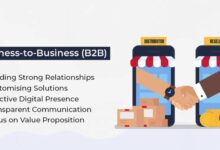
At its heart, the B2B meaning refers to ‘Business-to-Business’—a transaction model where one business sells products or services to another. Unlike B2C (Business-to-Consumer), B2B focuses on organizational needs, longer sales cycles, and complex decision-making processes.
What Does B2B Stand For?
B2B stands for Business-to-Business. This model describes commercial transactions between two or more companies. For example, a software provider selling CRM tools to a marketing agency operates under the B2B framework. The Investopedia definition emphasizes that B2B relationships are often long-term and built on trust, contracts, and value alignment.
- B2B involves companies selling to other businesses, not end consumers.
- Transactions are typically larger in volume and value.
- Decision-making involves multiple stakeholders.
How B2B Differs from B2C
Understanding the B2B meaning requires contrasting it with B2C (Business-to-Consumer). While B2C targets individual buyers with emotional or convenience-driven purchases, B2B caters to organizations focused on efficiency, ROI, and scalability.
- B2B sales cycles are longer; B2C is often instant.
- B2B pricing is usually negotiated; B2C is fixed.
- B2B marketing uses data and case studies; B2C relies on emotions and branding.
“B2B is not just about selling—it’s about solving business problems.” — Forbes
Historical Evolution of B2B Meaning
The concept of B2B has existed since the dawn of trade, but its modern form emerged with industrialization. As factories needed raw materials, machinery, and logistics, structured supplier relationships became essential. The B2B meaning evolved from simple trade to complex ecosystems.
Pre-Internet B2B Landscape
Before the digital era, B2B transactions relied heavily on phone calls, trade shows, catalogs, and face-to-face meetings. Companies used fax machines and postal mail to send purchase orders and invoices. Relationships were built over years of consistent delivery and trust.
- Sales teams traveled frequently to meet clients.
- Marketing was limited to print ads and direct mail.
- Supply chains were less transparent and slower.
The Digital Revolution and B2B
The internet transformed the B2B meaning by enabling online marketplaces, e-procurement systems, and digital communication. Platforms like Alibaba and ThomasNet allowed businesses to find suppliers globally. Email, CRM systems, and video conferencing streamlined interactions.
- E-commerce platforms reduced transaction friction.
- Data analytics improved targeting and forecasting.
- Cloud-based tools enabled real-time collaboration.
“The digital shift didn’t change B2B—it redefined it.” — Harvard Business Review
Key Characteristics of B2B Transactions
To fully grasp the B2B meaning, it’s crucial to understand its defining traits. These characteristics shape how companies operate, market, and sell within the B2B space.
Longer Sales Cycles
B2B purchases often require approvals from multiple departments—finance, operations, IT, and legal. This leads to extended decision-making timelines. A single deal can take weeks or even months to close.
- Needs assessment and vendor evaluation take time.
- Contracts must be reviewed and negotiated.
- Integration planning adds complexity.
Higher Transaction Values
Because B2B products often serve entire organizations, the financial stakes are higher. A single software license for 500 employees or a manufacturing machine costing millions reflects the scale of B2B deals.
- Pricing is often tiered based on usage or volume.
- Customization increases cost and value.
- Long-term contracts ensure revenue stability.
Relationship-Driven Sales
Unlike B2C, where transactions are often one-off, B2B thrives on long-term partnerships. Trust, reliability, and ongoing support are critical. Vendors act as consultants, not just sellers.
- Account managers maintain regular contact.
- Customer success teams ensure adoption.
- Feedback loops drive product improvement.
B2B Meaning in Different Industries
The B2B meaning manifests differently across sectors. While the core principle remains the same, industry-specific needs shape how B2B operates.
Technology and SaaS
In tech, B2B often refers to Software-as-a-Service (SaaS) companies selling tools like project management software, cybersecurity solutions, or cloud storage. These services are essential for business operations.
- Subscription models dominate (e.g., monthly or annual plans).
- Free trials and demos are common entry points.
- Integration with existing systems is a key selling point.
For example, Salesforce provides CRM solutions to businesses worldwide, helping them manage customer relationships efficiently.
Manufacturing and Supply Chain
Here, B2B involves raw material suppliers, component manufacturers, and logistics providers. A car manufacturer, for instance, buys steel, tires, and electronics from various B2B vendors.
- Just-in-time inventory systems rely on B2B coordination.
- Quality control and compliance are non-negotiable.
- Global sourcing increases complexity but reduces costs.
Companies like 3M supply industrial adhesives and safety equipment to factories, playing a vital role in production lines.
Professional Services
This includes consulting firms, legal services, accounting, and marketing agencies. These businesses sell expertise rather than physical products.
- Proposals and RFPs (Requests for Proposal) are standard.
- Billing is often hourly or project-based.
- Reputation and case studies influence decisions.
Firms like Deloitte or McKinsey operate purely on B2B models, advising corporations on strategy, finance, and operations.
B2B Marketing: Strategies That Work
Understanding the B2B meaning isn’t complete without exploring how businesses market to each other. B2B marketing is more analytical, targeted, and relationship-focused than B2C.
Content Marketing and Thought Leadership
B2B buyers seek information before making decisions. High-quality content—whitepapers, case studies, webinars—positions a company as an industry leader.
- Blog posts answer common business challenges.
- E-books provide in-depth guides.
- Webinars showcase expertise and engage prospects.
For instance, HubSpot’s blog offers actionable marketing tips, attracting thousands of business visitors monthly.
Account-Based Marketing (ABM)
ABM is a strategic approach where marketing and sales teams collaborate to target high-value accounts with personalized campaigns.
- Instead of broad outreach, ABM focuses on specific companies.
- Customized messaging increases conversion rates.
- Success is measured by engagement and deal size.
According to ABM Leadership, companies using ABM report higher ROI and customer retention.
Digital Advertising and Lead Generation
Paid ads on LinkedIn, Google, and industry-specific platforms help B2B companies reach decision-makers. Unlike B2C ads, B2B ads emphasize ROI, efficiency, and problem-solving.
- LinkedIn ads target by job title, industry, and company size.
- Landing pages capture leads with gated content.
- CRM integration tracks lead progression.
“In B2B, every click should lead to a conversation.” — Marketing Week
The Role of Technology in Modern B2B
Technology has redefined the B2B meaning, making transactions faster, smarter, and more scalable. From AI to automation, digital tools are reshaping how businesses interact.
CRM Systems and Sales Automation
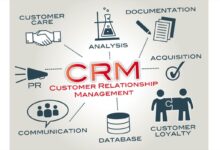
Customer Relationship Management (CRM) platforms like Salesforce, HubSpot, and Zoho help B2B companies track interactions, manage pipelines, and automate follow-ups.
- CRMs centralize customer data for better insights.
- Automation reduces manual tasks like email reminders.
- Sales forecasting becomes more accurate.
These systems ensure no lead falls through the cracks and improve team collaboration.
E-Procurement and B2B Marketplaces
Online platforms like Alibaba, Amazon Business, and Mercateo allow businesses to source products efficiently. E-procurement systems integrate with ERP software for seamless purchasing.
- Suppliers gain global visibility.
- Buyers compare prices and reviews instantly.
- Order tracking and invoicing are automated.
According to Statista, the global B2B e-commerce market is projected to reach $20.9 trillion by 2027.
AI and Data Analytics in B2B
Artificial Intelligence helps predict customer behavior, personalize outreach, and optimize pricing. Machine learning models analyze vast datasets to identify trends and opportunities.
- Chatbots handle initial customer inquiries 24/7.
- Predictive analytics forecast demand and churn.
- NLP (Natural Language Processing) improves email personalization.
Companies like IBM and Google offer AI-powered tools tailored for B2B decision-making.
Challenges in the B2B Landscape
Despite its advantages, the B2B meaning comes with unique challenges. Navigating these hurdles is essential for long-term success.
Complex Decision-Making Processes
B2B sales often involve committees, requiring alignment across departments. A single ‘no’ from finance or IT can stall a deal.
- Sales teams must identify all stakeholders.
- Customized presentations for each role are necessary.
- Building consensus takes time and effort.
High Customer Expectations
B2B buyers expect reliability, scalability, and excellent support. A service outage or delayed delivery can damage trust and lead to contract termination.
- Service Level Agreements (SLAs) set clear expectations.
- Proactive communication during issues is crucial.
- Continuous improvement keeps customers satisfied.
Intense Competition and Price Pressure
Many B2B markets are saturated, forcing companies to differentiate beyond price. Competitors often offer similar products, making value proposition key.
- Innovation and customer experience become differentiators.
- Long-term contracts lock in revenue but reduce flexibility.
- Emerging players disrupt traditional models with agility.
“In B2B, you don’t just sell a product—you sell peace of mind.” — Inc. Magazine
Future Trends Shaping B2B Meaning
The B2B meaning continues to evolve. Emerging trends are redefining how businesses connect, sell, and grow.
Rise of Hybrid B2B-B2C Models
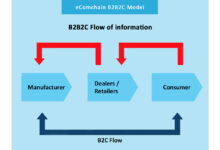
Some companies now serve both businesses and consumers. For example, Shopify enables small businesses (B2B) to sell to end customers (B2C). This hybrid approach expands market reach.
- Platforms act as intermediaries in dual ecosystems.
- Marketing strategies must address both audiences.
- Pricing and packaging differ for each segment.
Sustainability and Ethical Sourcing
B2B buyers increasingly prioritize eco-friendly suppliers and ethical practices. Sustainability reports and carbon footprint data influence purchasing decisions.
- Green certifications enhance credibility.
- Recyclable packaging and energy-efficient operations matter.
- Transparency builds long-term trust.
Companies like Patagonia and Interface lead in sustainable B2B practices.
Remote Selling and Virtual Engagement
Post-pandemic, virtual meetings, digital demos, and online negotiations have become standard. Sales teams use Zoom, Teams, and VR to engage clients globally.
- Travel costs are reduced, but personal touch must be maintained.
- Interactive demos increase engagement.
- Follow-up automation ensures continuity.
According to Gartner, 80% of B2B interactions will be digital by 2025.
What is the basic B2B meaning?
The basic B2B meaning is ‘Business-to-Business,’ referring to transactions between two companies, such as a manufacturer selling to a wholesaler or a software company licensing to a corporation.
How does B2B differ from B2C?
B2B involves longer sales cycles, higher transaction values, and multiple decision-makers, while B2C focuses on individual consumers with faster, emotion-driven purchases.
What are common B2B industries?
Common B2B industries include technology (SaaS), manufacturing, professional services (consulting, legal), healthcare supplies, and logistics.
Why is B2B marketing more complex?
B2B marketing is more complex because it targets rational, ROI-focused buyers who require detailed information, case studies, and personalized engagement before making decisions.
What role does technology play in B2B?
Technology enables CRM integration, e-procurement, AI-driven analytics, and digital sales platforms, making B2B operations more efficient, scalable, and data-informed.
Understanding the B2B meaning goes beyond a simple definition—it’s about recognizing a vast, dynamic ecosystem that powers global commerce. From its historical roots to digital transformation, B2B shapes how businesses grow, innovate, and collaborate. Whether you’re a startup or a multinational, mastering B2B principles is key to long-term success in today’s interconnected economy.
b2b meaning – B2b meaning menjadi aspek penting yang dibahas di sini.
Further Reading: