Want to turn your B2B marketing strategy into a growth engine? It’s not about random tactics—it’s about a smart, data-driven plan that connects with decision-makers and drives real revenue. Let’s break it down.
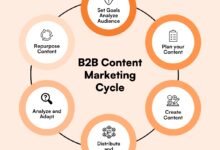
1. Understanding the Core of a B2B Marketing Strategy

A successful B2B marketing strategy isn’t just about promoting products—it’s about solving complex business problems for other businesses. Unlike B2C, where emotions often drive purchases, B2B decisions are rooted in logic, ROI, and long-term value. That’s why your strategy must be built on deep audience insight, clear messaging, and measurable outcomes.
What Defines B2B Marketing?
B2B (Business-to-Business) marketing involves selling products or services from one company to another. This could range from SaaS platforms to industrial equipment, consulting services, or supply chain solutions. The sales cycle is typically longer, involves multiple stakeholders, and requires more education and nurturing.
- Longer sales cycles due to complex decision-making processes
- Multiple decision-makers (e.g., procurement, finance, IT, executives)
- Higher average deal size compared to B2C
- Emphasis on ROI, efficiency, and risk mitigation
According to Forrester Research, 74% of B2B buyers conduct more than half of their research online before engaging with a sales rep—making digital presence non-negotiable.
Key Differences Between B2B and B2C Marketing
While both aim to drive sales, B2B and B2C marketing differ fundamentally in approach:
Audience: B2B targets professionals making rational, budget-conscious decisions; B2C appeals to individual consumers driven by emotion and convenience.Message: B2B focuses on efficiency, scalability, and integration; B2C emphasizes lifestyle, status, and instant gratification.Channels: B2B relies heavily on LinkedIn, email, whitepapers, and webinars; B2C thrives on Instagram, TikTok, and mass media.Sales Cycle: B2B can take weeks or months; B2C often closes in minutes.
.”In B2B, you’re not just selling a product—you’re selling confidence in a business outcome.” — Ann Handley, Chief Content Officer at MarketingProfs
2.Building a Data-Driven B2B Marketing Strategy
Guesswork has no place in modern B2B marketing.A data-driven b2b marketing strategy uses analytics, customer insights, and performance metrics to guide every decision—from content creation to ad spend..
Collecting and Analyzing Customer Data
To build an effective b2b marketing strategy, you need to know who your buyers are, what keeps them up at night, and how they make decisions. Start by gathering data from:
- CRM systems (e.g., Salesforce, HubSpot)
- Website analytics (Google Analytics, Hotjar)
- Social media insights (LinkedIn, Twitter)
- Customer interviews and surveys
Use this data to create detailed buyer personas. For example, a persona for a mid-sized tech company might include:
- Name: “CTO Carla”
- Goals: Reduce IT overhead, improve system uptime
- Pain Points: Legacy systems, integration challenges
- Preferred Content: Case studies, technical whitepapers, ROI calculators
Leveraging Predictive Analytics
Predictive analytics uses historical data and machine learning to forecast future behavior. In a b2b marketing strategy, this can help identify:
- Which leads are most likely to convert
- Optimal times to engage prospects
- Content types that drive the highest engagement
Tools like IBM Predictive Analytics or Salesforce Einstein can automate lead scoring and personalize outreach at scale.
3. Defining Clear Goals and KPIs for Your B2B Marketing Strategy
Without clear goals, even the most creative campaigns fail. A strong b2b marketing strategy starts with SMART objectives—Specific, Measurable, Achievable, Relevant, and Time-bound.
Common B2B Marketing Goals
Depending on your business stage and objectives, your b2b marketing strategy might aim to:
- Generate 500 qualified leads per quarter
- Increase website conversion rate by 25% in six months
- Boost customer retention by 15% through onboarding content
- Position the brand as a thought leader in a niche market
These goals should align with broader business objectives like revenue growth, market expansion, or product adoption.
Essential KPIs to Track
To measure the success of your b2b marketing strategy, track these key performance indicators:
- Lead Conversion Rate: Percentage of leads that become customers
- Customer Acquisition Cost (CAC): Total marketing spend divided by new customers acquired
- Customer Lifetime Value (CLV): Total revenue expected from a customer over their lifetime
- Marketing Qualified Leads (MQLs): Leads deemed ready for sales follow-up
- Return on Ad Spend (ROAS): Revenue generated per dollar spent on ads
According to CMO.com, companies that track CLV see up to 30% higher profitability than those that don’t.
4. Mastering Account-Based Marketing (ABM) in Your B2B Strategy
Account-Based Marketing (ABM) is one of the most powerful approaches in a modern b2b marketing strategy. Instead of casting a wide net, ABM focuses on targeting high-value accounts with personalized campaigns.
What Is Account-Based Marketing?
ABM treats individual accounts as markets of one. It aligns marketing and sales teams to create hyper-targeted content, ads, and outreach for specific companies. For example, if you’re selling enterprise cybersecurity software, you might create a custom demo, whitepaper, and LinkedIn ad campaign for a Fortune 500 bank.
- Highly personalized messaging
- Close collaboration between sales and marketing
- Focused on quality over quantity
A study by ABM Leadership Board found that 87% of marketers report higher ROI from ABM than from other marketing strategies.
Steps to Implement ABM
To integrate ABM into your b2b marketing strategy:
- Identify Target Accounts: Use firmographic data (industry, size, revenue) and intent signals (website visits, content downloads) to select high-potential accounts.
- Develop Personalized Content: Create case studies, ROI calculators, or video messages tailored to each account’s pain points.
- Engage Across Channels: Combine email, LinkedIn, direct mail, and targeted ads to reach decision-makers.
- Measure Engagement: Track account engagement scores and adjust tactics accordingly.
“ABM isn’t a tactic—it’s a philosophy of treating your best customers like VIPs from day one.” — Sangram Vaidya, ABM Pioneer
5. Content Marketing as the Backbone of Your B2B Strategy
No b2b marketing strategy is complete without a robust content engine. Content builds trust, educates buyers, and nurtures leads through the funnel.
Types of High-Impact B2B Content
Different content types serve different stages of the buyer’s journey:
- Awareness Stage: Blog posts, infographics, social media content
- Consideration Stage: Webinars, whitepapers, comparison guides
- Decision Stage: Case studies, product demos, free trials
For example, a SaaS company might publish a blog titled “5 Signs Your CRM Is Holding You Back,” followed by a gated whitepaper on “How to Choose the Right CRM for Scaling Teams.”
Content Distribution and Amplification
Creating great content isn’t enough—you need to get it in front of the right people. Effective distribution channels include:
- Email Newsletters: Send curated content to segmented lists
- LinkedIn Organic & Paid: Share insights and promote gated content
- SEO: Optimize content for search engines to attract organic traffic
- Partnerships: Co-host webinars with complementary brands
According to Content Marketing Institute, 91% of B2B marketers use content marketing, but only 42% have a documented strategy—giving you a competitive edge if you do.
6. Leveraging Digital Channels in Your B2B Marketing Strategy
The digital landscape is where most B2B buyers start their journey. A winning b2b marketing strategy must dominate key online channels.
Search Engine Optimization (SEO) for B2B
SEO ensures your content appears when buyers search for solutions. Focus on:
- Long-tail keywords (e.g., “best project management software for remote teams”)
- Technical SEO (site speed, mobile optimization, schema markup)
- Content clusters around core topics (e.g., “cloud security,” “data compliance”)
Use tools like Ahrefs or Moz to audit your site and track rankings.
Paid Advertising: PPC and LinkedIn Ads
Paid ads accelerate visibility. In B2B, LinkedIn Ads are especially effective due to precise targeting by job title, company size, and industry.
- Use Sponsored Content to promote whitepapers
- Run InMail campaigns for high-touch outreach
- Retarget website visitors with dynamic ads
Google Ads also play a role, especially for bottom-of-funnel keywords like “CRM software pricing” or “enterprise email encryption.”
Social Media Beyond LinkedIn
While LinkedIn is king, don’t ignore other platforms:
- Twitter (X): Great for real-time engagement with industry leaders
- YouTube: Ideal for product demos, explainer videos, and customer testimonials
- Facebook Groups: Niche communities for B2B professionals (e.g., SaaS founders, HR managers)
A cohesive social strategy reinforces brand authority and drives traffic to your core content.
7. Measuring, Optimizing, and Scaling Your B2B Marketing Strategy
A b2b marketing strategy isn’t set in stone—it must evolve based on performance data and market changes.
Marketing Attribution Models
Understanding which channels drive conversions is critical. Common attribution models include:
- First-Touch: Credits the first interaction (e.g., Google search)
- Last-Touch: Credits the final click before conversion
- Multi-Touch: Distributes credit across multiple touchpoints (e.g., webinar + email + demo)
Tools like Marketo or HubSpot offer built-in attribution reporting to help refine your b2b marketing strategy.
Continuous Optimization Tactics
To keep your b2b marketing strategy sharp:
- A/B test email subject lines, landing pages, and CTAs
- Conduct quarterly content audits to update or retire underperforming pieces
- Survey customers to understand their journey and pain points
- Run competitive analysis to identify gaps and opportunities
Optimization isn’t a one-time task—it’s a continuous cycle of test, learn, and improve.
Scaling What Works
Once you identify high-performing channels or campaigns, scale them strategically:
- Double down on top-converting ad creatives
- Repurpose successful webinars into on-demand content
- Expand ABM to new verticals or geographies
- Invest in marketing automation to handle increased volume
Scaling requires infrastructure—ensure your CRM, marketing stack, and team are ready to grow.
What is the most important element of a B2B marketing strategy?
The most important element is a deep understanding of your target audience. Without clear buyer personas and insight into their pain points, decision-making process, and preferred channels, even the most creative campaigns will miss the mark.
How long does a B2B marketing strategy take to show results?
Most B2B marketing strategies take 3–6 months to show measurable results, especially for content and SEO. Paid campaigns may yield faster leads, but nurturing and conversion take time due to longer sales cycles.
Is account-based marketing worth it for small B2B companies?
Yes, especially if you serve high-value clients. Even small teams can run “light” ABM by focusing on 5–10 target accounts with personalized outreach. Tools like Outreach and 6sense make ABM accessible to startups and SMBs.
What role does storytelling play in B2B marketing?
Storytelling humanizes your brand. Case studies, customer success stories, and founder narratives build emotional connection and credibility, making complex solutions easier to understand and trust.
How do I align sales and marketing in my B2B strategy?
Align sales and marketing through shared goals, regular meetings, and a unified CRM. Implement Service Level Agreements (SLAs) between teams, and use lead scoring to ensure only qualified prospects are handed off.
A winning b2b marketing strategy isn’t about flashy tactics—it’s about consistency, clarity, and customer-centricity. From defining your audience to leveraging ABM, creating valuable content, and optimizing performance, every step must serve the ultimate goal: driving sustainable business growth. Start with data, stay focused on value, and keep refining. The results will follow.
Further Reading:
