When it comes to B2B GEICO, businesses are discovering powerful ways to leverage insurance solutions for growth, risk management, and long-term stability. This guide dives deep into how companies can maximize value through strategic partnerships and smart planning.
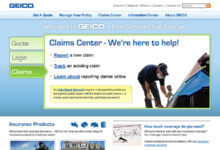
B2B GEICO: Understanding the Core Concept

The term B2B GEICO refers to the business-to-business applications and services offered or influenced by GEICO, one of the largest auto insurers in the United States. While GEICO is widely known for its consumer-focused insurance products, its indirect impact on businesses—especially through fleet insurance, commercial partnerships, and digital service integrations—has grown significantly in recent years.
What Does B2B Mean in Insurance?
In the insurance world, B2B (Business-to-Business) describes services where one company provides products or solutions to another. This could include insurance brokers selling policies to small businesses, or large insurers like GEICO offering commercial auto insurance to enterprises with vehicle fleets.
- B2B insurance often involves complex risk assessments.
- Policies are tailored to business operations, not individual needs.
- Long-term contracts and volume discounts are common.
Unlike personal insurance, B2B insurance must account for variables such as employee behavior, asset value, regulatory compliance, and operational scale. For example, a logistics company with 50 delivery vans needs a different coverage model than a single rideshare driver.
How GEICO Fits Into the B2B Landscape
Although GEICO does not traditionally market itself as a full-scale B2B insurer like The Hartford or Travelers, it does offer commercial insurance products through its parent company, Berkshire Hathaway. These services are often underutilized by small and medium-sized businesses who assume GEICO only serves individuals.
“GEICO’s strength lies in its operational efficiency and digital-first approach, which can be leveraged by businesses seeking cost-effective, scalable insurance solutions.” — Insurance Analyst, Forbes
Moreover, many businesses interact with GEICO through indirect channels. For instance, third-party administrators (TPAs) or fleet management platforms may integrate GEICO’s underwriting capabilities into their own B2B offerings. This creates a layered ecosystem where GEICO supports business clients without direct branding.
Key Benefits of Partnering with B2B GEICO Services
Businesses that explore GEICO-linked commercial insurance options often find several compelling advantages. From cost savings to streamlined claims processing, the benefits extend beyond basic coverage.
Cost Efficiency and Competitive Rates
One of the most cited reasons businesses consider B2B GEICO solutions is cost. GEICO’s low overhead and high automation allow it to offer competitive premiums, especially for standard-risk commercial vehicles.
- Automated quoting systems reduce administrative costs.
- Bulk policy discounts are available for multi-vehicle fleets.
- Online management tools eliminate paper-based inefficiencies.
A 2023 study by Insurance Information Institute found that businesses using digital-first insurers saved an average of 18% annually on commercial auto premiums compared to traditional providers.
Advanced Digital Tools for Business Management
GEICO’s investment in technology has resulted in robust digital platforms that benefit business users. These include mobile apps, online dashboards, and API integrations that allow companies to manage policies, file claims, and monitor driver behavior in real time.
- Real-time claims tracking improves transparency.
- Fleet managers can assign policies to specific vehicles or drivers.
- Integration with GPS and telematics enhances risk monitoring.
For example, a small delivery service can use GEICO’s business portal to instantly report an accident, upload photos, and receive a repair estimate—all without calling an agent. This reduces downtime and keeps operations running smoothly.
B2B GEICO and Fleet Insurance Solutions
Fleet insurance is one of the most direct applications of B2B GEICO services. Companies that rely on vehicles—from construction firms to food delivery startups—can benefit from specialized coverage designed for commercial use.
Types of Fleet Coverage Offered
While GEICO doesn’t advertise fleet insurance as prominently as some competitors, it does provide coverage for businesses with two or more vehicles. Policies can include:
- Liability coverage for bodily injury and property damage.
- Collision and comprehensive protection for vehicle repair or replacement.
- Uninsured/underinsured motorist coverage for third-party risks.
- Medical payments coverage for injured employees.
These policies are customizable based on vehicle type, usage patterns, and geographic region. For instance, a landscaping company operating heavy equipment trailers may require additional endorsements for tool coverage.
Eligibility and Application Process
To qualify for GEICO’s commercial fleet insurance, businesses must meet certain criteria:
- Must operate at least two vehicles used for business purposes.
- Drivers must hold valid commercial licenses if required.
- Company must be registered and in good standing with state authorities.
The application process is largely digital. Businesses can start online by providing details about their fleet size, vehicle types, driver history, and annual mileage. Once submitted, GEICO typically provides a quote within 24 hours.
“Switching to a GEICO-backed fleet policy saved our company over $12,000 in the first year alone.” — Sarah Lin, Operations Manager at QuickDrop Logistics
Some businesses report faster approval times when working through a licensed agent affiliated with GEICO’s commercial division, rather than applying directly online.
Strategic Partnerships and Third-Party Integrations
One of the most innovative aspects of B2B GEICO is its role in ecosystem partnerships. Rather than selling directly to every business, GEICO often enables other companies to deliver insurance services using its underwriting power.
How Insurtech Platforms Leverage GEICO
Modern insurtech startups frequently partner with large insurers like GEICO to offer embedded insurance. For example, a fleet management SaaS platform might integrate GEICO’s API to provide instant insurance quotes to its users.
- Real-time policy issuance within business software.
- Automated renewals and compliance alerts.
- Data sharing for dynamic pricing based on driving behavior.
This model benefits both parties: the insurtech gains access to reliable underwriting, while GEICO expands its reach without building new customer-facing infrastructure.
Case Study: Ride-Sharing and Delivery Platforms
Companies like Uber, DoorDash, and Instacart rely on commercial insurance partners to cover their gig workers. While these platforms often use specialized insurers, some regional operators have begun integrating GEICO-backed policies through third-party brokers.
In Texas, a local delivery network called SwiftCart partnered with a GEICO-affiliated agency to offer pay-per-mile commercial coverage to its drivers. This allowed drivers to pay only for the miles they drove, reducing costs by up to 30% compared to flat-rate policies.
- Policies activated only during delivery windows.
- GPS verification ensured accurate billing.
- Claims were processed through GEICO’s national network.
This case highlights how B2B GEICO services can be adapted for modern, flexible work models.
Risk Management and Claims Support in B2B GEICO
Effective risk management is a cornerstone of any successful business insurance strategy. With B2B GEICO, companies gain access to structured support systems designed to minimize losses and expedite recovery.
Proactive Risk Assessment Tools
GEICO offers businesses access to risk assessment tools that analyze driving patterns, vehicle maintenance schedules, and accident history. These insights help companies identify high-risk behaviors before they lead to claims.
- Telematics devices track speed, braking, and idle time.
- Monthly reports highlight areas for driver training.
- Integration with HR systems allows for performance-based incentives.
For example, a transportation company using GEICO’s fleet program reduced its accident rate by 27% over 18 months by implementing data-driven safety training.
Claims Processing and Customer Service
When incidents occur, the efficiency of claims handling becomes critical. GEICO’s B2B claims process is designed for speed and clarity:
- 24/7 online claims submission via web or mobile app.
- Dedicated business claims representatives for large fleets.
- Direct repair program with over 5,000 certified shops nationwide.
According to a J.D. Power 2023 Commercial Insurance Study, GEICO ranked above average in claims satisfaction among small business owners, particularly for ease of filing and speed of payout.
“After a minor collision, our claim was approved in under two hours. The car was repaired the next day—minimal disruption to our service.” — Marcus Reed, Owner of Metro Courier
Challenges and Limitations of B2B GEICO
Despite its strengths, B2B GEICO is not without limitations. Businesses should be aware of potential drawbacks before committing to a policy.
Limited Direct Commercial Presence
Unlike insurers such as Progressive or Nationwide, GEICO does not have a widespread network of commercial agents. This means businesses often need to go through brokers or third-party platforms to access specialized coverage.
- Fewer personalized consultations available.
- Less flexibility in customizing complex policies.
- Some high-risk industries may be excluded.
For example, companies in construction, aviation, or hazardous materials transport may find GEICO’s offerings too limited and must seek niche providers.
Geographic and Industry Restrictions
GEICO’s commercial services are not available in all states or for all business types. Some regions have stricter regulatory requirements that GEICO chooses not to serve directly.
- Alaska and Hawaii have limited commercial offerings.
- High-risk occupations may require alternative insurers.
- International operations are not covered under standard policies.
Businesses expanding into new markets should verify GEICO’s availability before relying on it as a long-term partner.
Future Trends in B2B GEICO and Commercial Insurance
The future of B2B GEICO lies in digital transformation, data integration, and ecosystem expansion. As technology evolves, so too will the ways businesses interact with insurance providers.
AI and Predictive Analytics in Underwriting
Artificial intelligence is reshaping how insurers assess risk. GEICO is investing in machine learning models that analyze vast datasets—from driving records to weather patterns—to predict claim likelihood and set premiums dynamically.
- Real-time pricing adjustments based on driving behavior.
- Predictive maintenance alerts for fleet vehicles.
- Automated fraud detection in claims processing.
This shift could lead to more personalized, usage-based insurance models that benefit responsible businesses with lower rates.
Growth of Embedded Insurance Ecosystems
Embedded insurance—where coverage is seamlessly integrated into other business services—is expected to grow by 30% annually through 2027, according to McKinsey & Company. GEICO is well-positioned to be a backend partner in this trend.
- Fleet management platforms offering instant GEICO quotes.
- Accounting software bundling business insurance with tax tools.
- Ride-sharing apps providing on-demand commercial coverage.
As these ecosystems mature, the line between insurer and service provider will blur, creating new opportunities for B2B innovation.
What is B2B GEICO?
B2B GEICO refers to the business-to-business applications of GEICO’s insurance services, including commercial auto policies, fleet coverage, and partnerships with third-party platforms that use GEICO’s underwriting capabilities to serve enterprises.
Does GEICO offer commercial fleet insurance?
Yes, GEICO offers commercial fleet insurance for businesses with two or more vehicles. Coverage includes liability, collision, comprehensive, and optional endorsements tailored to business needs.
How can my business apply for GEICO commercial insurance?
Businesses can apply online through GEICO’s website or via a licensed commercial agent. The process requires details about fleet size, vehicle usage, driver history, and business registration.
Are GEICO’s business insurance rates competitive?
Yes, GEICO is known for offering competitive rates due to its low overhead and digital efficiency. Businesses often save 15–20% compared to traditional insurers, especially for standard-risk profiles.
Can startups and gig economy platforms use B2B GEICO services?
Yes, startups and gig platforms can access GEICO-backed insurance through third-party brokers or insurtech partners that integrate GEICO’s underwriting services into flexible, usage-based models.
Exploring B2B GEICO opens doors to cost-effective, tech-driven insurance solutions for modern businesses. While not a full-service commercial insurer, GEICO’s digital infrastructure, strategic partnerships, and competitive pricing make it a valuable player in the B2B space. From fleet management to embedded insurance, companies that understand how to leverage GEICO’s ecosystem can achieve greater efficiency, lower risk, and improved financial resilience. As the insurance industry evolves, B2B GEICO is poised to play an increasingly important role in shaping the future of business protection.
Further Reading:
