Ever wondered how companies sell to other companies? Dive into these real B2B examples that reveal how industry giants build partnerships, scale operations, and drive massive revenue through smart business strategies.




B2B Examples: Understanding the Core of Business-to-Business Transactions

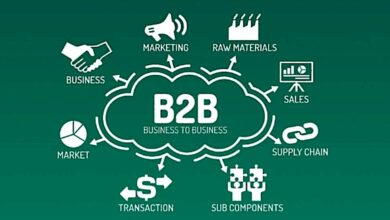
Business-to-business (B2B) transactions form the backbone of the global economy. Unlike business-to-consumer (B2C) models, B2B involves companies selling products or services to other businesses rather than individual customers. These relationships are often long-term, contract-based, and rooted in efficiency, scalability, and value creation.
What Exactly Is a B2B Model?
The B2B model refers to any commercial transaction between two businesses. This could be a manufacturer selling raw materials to a producer, a software company licensing tools to enterprises, or a logistics firm providing delivery services to retailers. The key differentiator from B2C is the decision-making process—B2B purchases usually involve multiple stakeholders, longer sales cycles, and higher order values.
- Transactions occur between companies, not individuals.
- Sales cycles are longer and more complex.
- Pricing is often negotiated, not fixed.
Why B2B Examples Matter for Modern Businesses
Studying real-world B2B examples helps entrepreneurs, marketers, and executives understand effective strategies in supply chain management, digital transformation, and customer relationship building. These case studies offer insights into how companies create value, solve operational challenges, and scale across industries.
“B2B isn’t just about selling—it’s about solving problems at scale.” — Forbes Insights, 2023
By analyzing successful B2B examples, businesses can replicate best practices, avoid common pitfalls, and innovate within their own sectors. Whether you’re launching a SaaS platform or managing a manufacturing supply chain, understanding these models is crucial.
Top 7 Real-World B2B Examples That Define Industry Success
Let’s explore seven powerful B2B examples that showcase innovation, strategic partnerships, and operational excellence. These companies have redefined how businesses interact, collaborate, and grow in today’s digital economy.
1. Salesforce: Revolutionizing CRM for Enterprises
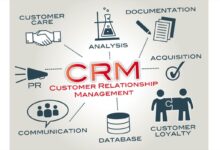
Salesforce is one of the most iconic B2B examples in the software-as-a-service (SaaS) space. Founded in 1999, it pioneered cloud-based Customer Relationship Management (CRM) solutions, enabling businesses to manage sales, marketing, and customer service operations seamlessly.
- Offers modular platforms like Sales Cloud, Service Cloud, and Marketing Cloud.
- Serves over 150,000 customers globally, including Amazon, Toyota, and Unilever.
- Generates over $30 billion in annual revenue (2023).
Salesforce’s success lies in its ability to integrate AI (via Einstein AI), offer customizable dashboards, and provide robust analytics—all tailored to enterprise needs. Its AppExchange marketplace also allows third-party developers to build and sell integrations, creating an ecosystem that enhances customer stickiness.
For more on Salesforce’s business model, visit Salesforce About Us.
2. Amazon Business: Scaling B2B E-Commerce
While Amazon is widely known for B2C retail, Amazon Business is a prime example of B2B evolution. Launched in 2015, it serves millions of businesses worldwide by offering bulk purchasing, business-only pricing, and tax-exempt shopping.
- Over 12 million businesses use Amazon Business (2023 data).
- Offers procurement tools, business analytics, and multi-user accounts.
- Integrates with ERP and accounting systems like SAP and QuickBooks.
This platform exemplifies how traditional e-commerce giants can pivot into B2B by addressing specific pain points: streamlined procurement, expense tracking, and supply chain efficiency. Amazon Business also partners with manufacturers and wholesalers to expand its B2B catalog.
Learn more at Amazon Business Official Site.
3. IBM and Red Hat: Enterprise Software Integration
The $34 billion acquisition of Red Hat by IBM in 2019 stands as one of the most strategic B2B examples in tech history. This move strengthened IBM’s position in hybrid cloud computing and open-source software solutions.
- Red Hat’s OpenShift platform enables businesses to deploy apps across multiple clouds.
- IBM leverages Red Hat to offer secure, scalable infrastructure for enterprises.
- Key clients include financial institutions, healthcare providers, and government agencies.
This partnership demonstrates how B2B synergy can drive digital transformation. By combining IBM’s enterprise reach with Red Hat’s open-source innovation, they deliver flexible, vendor-neutral cloud solutions—critical for modern IT departments.
Explore IBM’s B2B solutions at IBM Red Hat Integration.
B2B Examples in Manufacturing and Supply Chain
The manufacturing sector thrives on B2B relationships. From raw material suppliers to equipment vendors, these interactions ensure production continuity and cost efficiency. Let’s examine how leading companies operate within this ecosystem.
Caterpillar Inc.: Heavy Machinery for Industrial Clients
Caterpillar is a global leader in construction and mining equipment, diesel engines, and natural gas turbines. It operates primarily through B2B channels, selling machinery to contractors, governments, and energy companies.
- Supplies equipment to major infrastructure projects worldwide.
- Offers financing, maintenance, and telematics services via Cat Connect.
- Partners with dealerships in over 180 countries.
What makes Caterpillar a standout among B2B examples is its integrated service model. Beyond selling machines, it provides predictive maintenance, fleet management tools, and remote diagnostics—adding long-term value for clients.
“Caterpillar doesn’t just sell machines; it sells productivity.” — Harvard Business Review
This holistic approach increases customer retention and lifetime value, proving that B2B success isn’t just about products—it’s about solutions.
Siemens: Digitalizing Industrial Operations
Siemens AG is a German multinational conglomerate that provides industrial automation, energy solutions, and digitalization tools to businesses globally. Its MindSphere platform is a cloud-based IoT operating system that connects physical infrastructure to digital analytics.
- Used by manufacturers to monitor machine performance in real time.
- Helps reduce downtime and optimize energy consumption.
- Deployed in smart factories across Europe, Asia, and North America.
Siemens’ B2B model focuses on Industry 4.0 transformation. By offering digital twins, AI-driven analytics, and cybersecurity for industrial systems, it enables clients to achieve operational excellence. This positions Siemens as a critical enabler of smart manufacturing.
Discover Siemens’ industrial solutions at Siemens MindSphere.
B2B Examples in Technology and SaaS
The technology sector is home to some of the most innovative B2B examples, particularly in software and cloud services. These companies empower other businesses with tools that enhance productivity, security, and scalability.
Microsoft Azure: Cloud Infrastructure for Enterprises
Microsoft Azure is a leading cloud computing platform that competes directly with AWS and Google Cloud. It offers over 200 services, including virtual machines, AI tools, and database management—all designed for enterprise clients.
- Serves Fortune 500 companies like BMW, FedEx, and Walmart.
- Integrates seamlessly with Microsoft 365 and Active Directory.
- Supports hybrid and multi-cloud environments.
Azure’s strength lies in its integration with existing Microsoft ecosystems, making it a preferred choice for organizations already using Office 365 or Windows Server. Its global data center network ensures low latency and high compliance with regional data laws.
For enterprise case studies, visit Microsoft Azure Customer Stories.
Zoom: From Startup to Enterprise Communication Leader
While Zoom gained fame during the pandemic, its core business model has always been B2B. Zoom offers video conferencing, phone systems, and collaboration tools tailored for businesses of all sizes.
- Over 10,000 companies use Zoom for Government (compliant with FedRAMP).
- Provides API integrations with Salesforce, Slack, and Google Workspace.
- Offers enterprise-grade security and admin controls.
Zoom’s rapid adoption by corporations, educational institutions, and healthcare providers highlights how user-friendly design combined with enterprise functionality can dominate the B2B space. Its freemium model also lowers entry barriers, allowing teams to scale usage as needs grow.
Explore Zoom’s business solutions at Zoom for Business.
B2B Examples in Logistics and Distribution
Efficient logistics are essential for B2B operations. Companies that master supply chain coordination, warehousing, and delivery networks play a vital role in enabling other businesses to function smoothly.
FedEx and UPS: Enablers of Global Commerce
FedEx and UPS are quintessential B2B examples in the logistics industry. They provide shipping, freight, and supply chain management services to businesses ranging from e-commerce startups to multinational corporations.
- Offer API integrations for automated order fulfillment.
- Provide real-time tracking, customs clearance, and warehousing.
- Support just-in-time inventory models for manufacturers.
These companies don’t just move packages—they enable entire business models. For instance, Amazon relies heavily on UPS and FedEx for last-mile delivery, while small businesses use their platforms to compete globally.
FedEx’s partnership with Shopify and UPS’s integration with eBay and WooCommerce demonstrate how B2B logistics providers are becoming embedded in digital commerce ecosystems.
Learn more at FedEx Business Solutions and UPS Supply Chain Services.
DHL Supply Chain: Customized Logistics for Industries
DHL, part of Deutsche Post, offers specialized B2B logistics solutions across healthcare, automotive, retail, and technology sectors. Its Supply Chain division manages warehousing, transportation, and inventory optimization for enterprise clients.
- Manages over 500 million square feet of warehouse space globally.
- Uses AI and robotics in smart warehouses.
- Provides cold chain logistics for pharmaceuticals.
One notable B2B example is DHL’s work with BMW, where it manages inbound parts logistics for production plants. This level of integration reduces costs and improves manufacturing efficiency—showcasing how logistics can be a strategic advantage.
Visit DHL Supply Chain for more details.
B2B Examples in Financial Services and Fintech
Financial institutions and fintech companies play a crucial role in B2B ecosystems by enabling payments, lending, and financial management for businesses.
Stripe: Powering Online Business Transactions
Stripe is a leading fintech company that provides payment processing infrastructure for internet businesses. It enables companies to accept payments, manage subscriptions, and handle fraud detection—all through APIs.
- Used by companies like Shopify, Slack, and Instacart.
- Supports over 135 currencies and multiple payment methods.
- Offers tools like Stripe Billing, Radar (fraud prevention), and Connect (marketplace payouts).
What sets Stripe apart in B2B examples is its developer-first approach. By offering clean, well-documented APIs, it allows businesses to embed payment functionality directly into their platforms, reducing friction and accelerating time-to-market.
Explore Stripe’s business tools at Stripe Official Site.
PayPal for Business: Simplifying B2B Payments
While PayPal is known for consumer payments, its business solutions cater to B2B needs. PayPal for Business offers invoicing, payment processing, and working capital loans.
- Over 40 million merchants use PayPal globally.
- Provides instant payouts, multi-user access, and expense tracking.
- Integrates with accounting software like Xero and QuickBooks.
PayPal’s B2B value proposition lies in its ease of use and global reach. Small and medium enterprises (SMEs) benefit from its low setup costs and trusted brand, making it easier to transact internationally.
Learn more at PayPal for Business.
B2B Examples in Marketing and Advertising
Marketing technology (MarTech) companies help businesses reach, engage, and convert other businesses. These B2B examples highlight how data-driven strategies fuel growth.
HubSpot: Inbound Marketing for B2B Growth
HubSpot is a leader in inbound marketing, sales, and customer service software. Its platform helps B2B companies attract leads, automate workflows, and measure ROI.
- Offers CRM, email marketing, SEO tools, and analytics.
- Used by over 200,000 customers worldwide.
- Provides educational resources through HubSpot Academy.
HubSpot’s success stems from its all-in-one platform and emphasis on education. By offering free certifications and templates, it builds trust and loyalty among B2B marketers.
Visit HubSpot Official Site to explore its tools.
LinkedIn Marketing Solutions: Targeting Professionals at Scale
LinkedIn, owned by Microsoft, is the world’s largest professional network. Its Marketing Solutions platform allows B2B companies to run targeted ads, sponsor content, and generate leads.
- Over 20 million B2B decision-makers use LinkedIn monthly.
- Enables targeting by job title, industry, company size, and skills.
- Offers Lead Gen Forms and Account-Based Marketing (ABM) tools.
LinkedIn’s precision targeting makes it one of the most effective B2B advertising platforms. Companies like Adobe and SAP use it to reach C-suite executives and IT managers with tailored messaging.
Explore LinkedIn’s B2B tools at LinkedIn Marketing Solutions.
Key Takeaways from These B2B Examples
These real-world B2B examples illustrate several common success factors:
- Solution-Oriented Approach: The most successful B2B companies don’t just sell products—they solve business problems.
- Integration and Ecosystems: Platforms that integrate with existing tools (like ERP, CRM, or accounting software) gain faster adoption.
- Scalability and Customization: Enterprise clients need solutions that grow with them and adapt to unique workflows.
- Data and Analytics: Providing insights through dashboards, AI, or reporting tools adds significant value.
- Long-Term Relationships: B2B success depends on trust, support, and continuous innovation.
Whether you’re building a SaaS product, launching a logistics service, or selling industrial equipment, these principles apply across industries.
What are the most common B2B business models?
The most common B2B models include wholesale distribution, SaaS platforms, manufacturing supply chains, and professional services. Each model focuses on delivering value to other businesses through efficiency, innovation, or cost savings.
How is B2B different from B2C?
B2B involves longer sales cycles, multiple decision-makers, and higher transaction values. It emphasizes ROI, integration, and long-term contracts, whereas B2C focuses on emotional appeal, quick purchases, and mass marketing.
Which industries rely heavily on B2B?
Manufacturing, technology, healthcare, logistics, and financial services are among the industries most dependent on B2B relationships. These sectors rely on suppliers, software providers, and service partners to function effectively.
Can small businesses succeed in B2B?
Absolutely. Many small businesses thrive in B2B by offering niche solutions, specialized services, or regional expertise. Platforms like Shopify, Stripe, and HubSpot make it easier than ever to reach enterprise clients.
What role does digital transformation play in B2B?
Digital transformation is critical in B2B. Companies that leverage cloud computing, AI, automation, and data analytics gain competitive advantages in efficiency, customer experience, and scalability.
In conclusion, these B2B examples demonstrate that success in the business-to-business world isn’t just about selling—it’s about creating value, building trust, and enabling growth. From tech giants like Salesforce and Microsoft to logistics leaders like DHL and FedEx, the most impactful companies solve real problems for other businesses. By studying these models, entrepreneurs and executives can gain actionable insights to refine their strategies, improve customer relationships, and drive sustainable growth in an increasingly interconnected global economy.
b2b examples – B2b examples menjadi aspek penting yang dibahas di sini.
Further Reading: