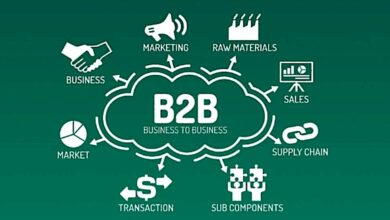
Welcome to the world of B2B companies, where relationships drive revenue, strategy shapes success, and long-term value trumps quick wins. In this comprehensive guide, we’ll explore what makes B2B companies thrive, the challenges they face, and the proven strategies top performers use to dominate their markets.




Understanding B2B Companies: Definition and Core Principles

Business-to-business (B2B) companies form the backbone of the global economy. Unlike B2C (business-to-consumer) models, B2B companies sell products or services to other businesses rather than individual consumers. These transactions often involve complex decision-making processes, longer sales cycles, and higher transaction values.
What Exactly Are B2B Companies?
B2B companies operate across a wide range of industries, including manufacturing, software, logistics, wholesale distribution, and professional services. Their primary customers are other organizations—be it startups, mid-sized firms, or multinational corporations.
- They provide essential inputs for other businesses to function (e.g., raw materials, SaaS platforms).
- Sales are typically relationship-driven and require multiple stakeholders.
- Marketing focuses on ROI, efficiency, and long-term value.
For example, a company like Oracle sells enterprise software solutions to other businesses, helping them manage data, automate processes, and scale operations. This is a classic B2B model.
Key Differences Between B2B and B2C Models
While both B2B and B2C involve selling, the mechanics differ significantly. Understanding these differences is crucial for anyone working with or within B2B companies.
- Sales Cycle: B2B sales cycles are longer and involve multiple touchpoints, whereas B2C purchases are often impulsive or quick.
- Decision Makers: In B2B, decisions are made by committees or procurement teams; in B2C, it’s usually an individual.
- Pricing Models: B2B pricing is often customized and negotiated, while B2C pricing is standardized and transparent.
“The essence of B2B is not just selling a product—it’s solving a business problem.” — Marc Benioff, CEO of Salesforce
The Evolution of B2B Companies Over Time
B2B companies have evolved dramatically over the past century. From traditional supply chains and industrial manufacturing to digital platforms and AI-driven analytics, the landscape has shifted.
- Early 20th century: Focus on physical goods and manual distribution.
- Late 20th century: Rise of enterprise software and global supply chains.
- 21st century: Digital transformation, e-commerce platforms, and data-driven decision-making.
Today, even traditional B2B companies are adopting SaaS models, subscription services, and customer success frameworks once exclusive to B2C brands.
Top Industries Dominated by B2B Companies
B2B companies are not confined to one sector—they span across industries that keep the global economy running. Let’s explore some of the most influential sectors where B2B models dominate.
Technology and Software-as-a-Service (SaaS)
The tech industry is arguably the most dynamic space for B2B companies today. SaaS platforms like Salesforce, HubSpot, and Zoom have redefined how businesses operate.
- Offer scalable solutions for CRM, marketing automation, communication, and analytics.
- Revenue models based on subscriptions, often with tiered pricing.
- High customer lifetime value (LTV) due to long-term contracts.
These B2B companies thrive on integration capabilities, security, and continuous innovation.
Manufacturing and Industrial Supply
Manufacturing remains a cornerstone of B2B commerce. Companies in this sector supply machinery, components, and raw materials to other producers.
- Examples include Siemens, General Electric, and Bosch.
- Transactions often involve bulk orders and long-term supply agreements.
- Emphasis on reliability, quality control, and just-in-time delivery.
With the rise of Industry 4.0, many manufacturing B2B companies are integrating IoT, AI, and predictive maintenance into their offerings.
Logistics and Supply Chain Services
Efficient logistics are critical for any business, making this sector a vital part of the B2B ecosystem. Companies like DHL, FedEx, and Flexport specialize in moving goods across borders and continents.
- Provide warehousing, freight forwarding, customs clearance, and last-mile delivery.
- Use advanced tracking systems and real-time data analytics.
- Help other B2B companies reduce costs and improve delivery times.
As global trade becomes more complex, these B2B logistics providers are investing heavily in automation and sustainability.
Key Characteristics That Define Successful B2B Companies
Not all B2B companies succeed. The ones that do share common traits that set them apart from the competition. Let’s examine the core characteristics that define high-performing B2B organizations.
Long Sales Cycles and Relationship Building
One of the defining features of B2B companies is the extended sales cycle. Unlike B2C, where a purchase can happen in minutes, B2B deals can take weeks or months to close.
- Requires nurturing leads through content, demos, and consultations.
- Sales teams must build trust with multiple stakeholders (e.g., IT, finance, operations).
- Relationships often last years, with upselling and cross-selling opportunities.
According to Gartner, the average B2B buying journey now involves six to ten decision-makers.
Complex Decision-Making Processes
B2B purchases are rarely made by a single person. They involve procurement departments, technical evaluators, budget approvers, and end-users.
- Buyers demand detailed proposals, ROI analysis, and risk assessments.
- Vendors must provide case studies, testimonials, and proof of concept.
- Compliance, security, and scalability are key evaluation criteria.
This complexity means B2B companies must tailor their messaging to different personas within the same organization.
High Customer Lifetime Value (LTV)
Because B2B relationships are long-term and contracts are often multi-year, the customer lifetime value is significantly higher than in B2C.
- A single enterprise client can generate millions in revenue over time.
- Retention is more cost-effective than acquisition.
- Customer success teams play a crucial role in ensuring satisfaction and renewal.
For instance, a company like Adobe sees substantial recurring revenue from its B2B Creative Cloud subscriptions.
Marketing Strategies That Work for B2B Companies
Marketing in the B2B world is fundamentally different from B2C. It’s less about emotions and more about logic, proof, and credibility. Here are the most effective marketing strategies used by top B2B companies.
Content Marketing and Thought Leadership
Content is king in B2B marketing. High-quality, educational content helps establish authority and nurture leads.
- Whitepapers, case studies, and industry reports build trust.
- Blogs and webinars address pain points and offer solutions.
- LinkedIn and professional networks are key distribution channels.
Companies like IBM use thought leadership to position themselves as innovators in AI and cloud computing.
Account-Based Marketing (ABM)
ABM is a strategic approach where marketing and sales teams collaborate to target high-value accounts with personalized campaigns.
- Focuses on quality over quantity—targeting specific companies.
- Uses tailored messaging, direct outreach, and customized offers.
- Aligns perfectly with long B2B sales cycles and complex decision units.
According to the ABM Institute, 87% of marketers report that ABM delivers higher ROI than other marketing strategies.
Digital Advertising and Lead Generation
Paid advertising plays a growing role in B2B lead generation, especially through platforms like Google Ads, LinkedIn, and industry-specific portals.
- LinkedIn Ads allow precise targeting by job title, company size, and industry.
- Search engine marketing captures intent-driven traffic (e.g., “best CRM for small business”).
- Landing pages with gated content (e.g., eBooks) help capture leads.
Effective B2B digital campaigns combine targeting precision with strong value propositions.
Sales Models and Processes in B2B Companies
The sales function in B2B companies is highly structured and often requires specialized skills. Let’s break down the most common sales models and processes that drive success.
Inside Sales vs. Field Sales
B2B companies typically use one or both of these sales models, depending on their product complexity and customer profile.
- Inside Sales: Remote selling via phone, email, and video calls. Ideal for lower-cost or standardized products.
- Field Sales: In-person meetings and site visits. Used for high-ticket, complex solutions requiring deep consultation.
- Many companies use a hybrid model to maximize reach and effectiveness.
For example, a SaaS startup might use inside sales for SMB clients and field sales for enterprise deals.
The B2B Sales Funnel: From Lead to Close
The B2B sales funnel is more intricate than its B2C counterpart. It typically includes the following stages:
- Awareness: Prospect discovers your brand through content, ads, or referrals.
- Interest: Engages with your content, attends a webinar, or downloads a guide.
- Consideration: Compares your solution with competitors, requests a demo.
- Decision: Negotiates terms, gets approvals, signs the contract.
- Retailiation: Onboarding, training, and ongoing support to ensure retention.
Each stage requires specific tools and strategies, from CRM systems to customer success platforms.
CRM and Sales Enablement Tools
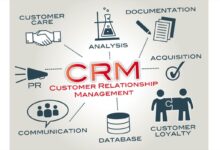
Technology is a force multiplier in B2B sales. Customer Relationship Management (CRM) systems and sales enablement tools help teams stay organized and effective.
- Platforms like Salesforce and HubSpot track interactions, manage pipelines, and automate follow-ups.
- Sales enablement tools (e.g., Gong, Clearbit) provide insights into buyer behavior and conversation analytics.
- Integration with marketing automation ensures alignment between departments.
These tools are essential for scaling B2B sales operations efficiently.
Innovation and Technology Driving B2B Companies Forward
Technology is no longer just a support function—it’s the engine of growth for modern B2B companies. From AI to blockchain, innovation is reshaping how B2B organizations operate and compete.
Artificial Intelligence and Automation
AI is revolutionizing B2B operations, from lead scoring to customer service.
- Chatbots handle initial inquiries and qualify leads 24/7.
- Machine learning predicts customer churn and recommends upsell opportunities.
- Automated workflows reduce manual tasks in sales and marketing.
Companies like Microsoft use AI in Dynamics 365 to enhance sales forecasting and customer insights.
Cloud Computing and Scalability
The cloud has democratized access to enterprise-grade infrastructure, allowing B2B companies to scale rapidly without massive upfront investments.
- SaaS models rely entirely on cloud infrastructure.
- Cloud platforms like AWS and Azure offer global reach and high availability.
- Facilitates remote work, collaboration, and real-time data sharing.
Even traditional B2B companies are migrating legacy systems to the cloud for greater agility.
Data Analytics and Business Intelligence
Data is the new currency in B2B. Companies that leverage analytics gain a competitive edge in decision-making.
- Track customer behavior, campaign performance, and sales trends.
- Use dashboards and KPIs to monitor business health.
- Enable predictive analytics for demand forecasting and risk management.
Tools like Tableau and Power BI are widely adopted by B2B companies to turn data into actionable insights.
Challenges Facing B2B Companies Today
Despite their strengths, B2B companies face numerous challenges in today’s fast-paced, digital-first environment. Let’s examine the most pressing issues and how leading organizations are addressing them.
Intense Market Competition
As barriers to entry lower, more players enter the B2B space, increasing competition.
- Differentiation becomes harder, especially in saturated markets like SaaS.
- Price wars can erode margins if not managed carefully.
- Innovation and customer experience are key differentiators.
Successful B2B companies invest in unique value propositions and brand positioning to stand out.
Customer Expectations and Experience
Today’s B2B buyers expect the same level of service and convenience as B2C consumers.
- They want fast responses, seamless onboarding, and intuitive interfaces.
- Self-service portals and 24/7 support are becoming standard.
- Poor customer experience can lead to churn, even in long-term contracts.
Companies like Slack and Zoom have raised the bar for user experience in B2B.
Globalization and Supply Chain Disruptions
Global events—like pandemics, geopolitical tensions, and climate change—have exposed vulnerabilities in B2B supply chains.
- Companies must build resilience through diversification and digitalization.
- Real-time visibility into inventory and logistics is now critical.
- Local sourcing and nearshoring are gaining traction as risk mitigation strategies.
B2B companies that adapt quickly to disruptions gain trust and market share.
What are B2B companies?
B2B companies, or business-to-business companies, are organizations that sell products or services to other businesses rather than to individual consumers. Examples include software providers, manufacturers, and logistics firms that serve corporate clients.
How do B2B companies differ from B2C companies?
B2B companies typically have longer sales cycles, multiple decision-makers, and higher transaction values compared to B2C companies. Their marketing focuses on logic, ROI, and long-term value rather than emotional appeal.
What are the most effective marketing strategies for B2B companies?
The most effective strategies include content marketing, account-based marketing (ABM), and digital advertising. Thought leadership, personalized outreach, and lead generation through gated content are also highly impactful.
Why is customer experience important for B2B companies?
Customer experience directly impacts retention, upselling, and brand reputation. Even in B2B, buyers expect fast, seamless, and personalized interactions, similar to what they experience in B2C.
How is technology transforming B2B companies?
Technology is enabling automation, data analytics, cloud scalability, and AI-driven insights. These innovations help B2B companies improve efficiency, personalize offerings, and respond faster to market changes.
In conclusion, B2B companies are the engines of global commerce, driving innovation, supply chains, and digital transformation. From SaaS giants to industrial manufacturers, these organizations thrive on relationships, strategic marketing, and operational excellence. While challenges like competition, customer expectations, and supply chain risks persist, the most successful B2B companies adapt through technology, data, and customer-centric strategies. By understanding the unique dynamics of B2B markets—from long sales cycles to high lifetime value—businesses can build sustainable growth and lasting impact. Whether you’re launching a B2B startup or scaling an enterprise, the principles outlined in this guide provide a roadmap for success in today’s complex, interconnected world.
Further Reading: