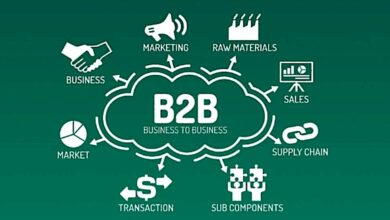
When it comes to global sportswear giants, few names command as much respect and recognition as adidas. But beyond the retail shelves and flashy ads lies a powerhouse engine driving its global reach—its B2B operations. The b2b adidas ecosystem is a masterclass in supply chain mastery, brand partnerships, and wholesale innovation.




Understanding the b2b adidas Ecosystem

The term b2b adidas refers to the business-to-business operations that enable adidas to distribute its products, collaborate with partners, and scale its global presence. Unlike direct-to-consumer (DTC) models, B2B focuses on relationships with retailers, distributors, sports organizations, and institutional buyers. This segment is crucial for adidas, accounting for a significant portion of its global revenue and market penetration.
What Defines b2b adidas?
At its core, b2b adidas encompasses all commercial interactions where adidas sells products or services to other businesses rather than individual consumers. This includes supplying footwear and apparel to major retailers like Foot Locker and JD Sports, licensing its brand to third-party manufacturers, and partnering with sports federations for team kits.
- Sales to wholesale partners and retail chains
- Licensing agreements for product manufacturing
- Collaborations with sports teams and leagues
- Distribution through regional distributors
These activities form the backbone of adidas’s global supply and distribution network, ensuring that its products are available across continents, from urban fashion hubs to remote athletic facilities.
Historical Evolution of b2b adidas
Adidas began as a family-run shoemaking business in Herzogenaurach, Germany, in 1949. From the outset, founder Adolf Dassler focused on performance footwear for athletes, establishing early B2B relationships with sports teams and national federations. The iconic moment came in 1954 when the West German football team won the World Cup wearing adidas boots—catapulting the brand into international prominence.
Over the decades, adidas expanded its B2B model by:
- Signing endorsement deals with Olympic athletes
- Partnering with national sports bodies
- Developing wholesale distribution networks across Europe and North America
By the 1980s, adidas had established formalized B2B channels, setting up regional offices to manage distributor relationships. The acquisition by the French conglomerate Kering in 1993 (later sold) and eventual independence solidified its strategic focus on structured B2B growth.
Key Components of the b2b adidas Model
The b2b adidas framework is built on several interlocking components that ensure scalability, brand consistency, and operational efficiency:
- Wholesale Distribution: adidas supplies products to multi-brand retailers globally, ensuring wide market access.
- Licensing Agreements: Strategic partnerships allow third parties to produce and distribute adidas-branded goods under strict quality controls.
- Institutional Sales: Supplying sports teams, schools, and fitness centers with customized gear.
- Digital B2B Platforms: Tools like the adidas Partner Portal streamline ordering, inventory management, and communication.
These components work in synergy to maintain adidas’s position as a leader in both performance and lifestyle markets.
b2b adidas and Global Supply Chain Mastery
One of the most impressive aspects of b2b adidas is its globally integrated supply chain. With manufacturing facilities spread across Asia, Europe, and the Americas, adidas has built a responsive, agile, and sustainable logistics network that supports its B2B clients efficiently.
Manufacturing and Sourcing Strategy
Adidas relies on a hybrid manufacturing model combining in-house production with a vast network of contract manufacturers. Over 90% of its products are made by third-party suppliers, primarily located in Vietnam, China, and Indonesia. This allows adidas to maintain flexibility and cost efficiency while focusing on design, innovation, and brand management.
Key elements of its sourcing strategy include:
- Long-term contracts with tier-1 suppliers to ensure quality and consistency
- Use of sustainable materials like Primeblue (recycled ocean plastic) and Primegreen (high-performance recycled polyester)
- Regular audits and compliance checks through the Sourcing with Care program
This approach not only strengthens b2b adidas relationships but also aligns with growing corporate social responsibility (CSR) expectations from wholesale partners.
Logistics and Distribution Network
Adidas operates a state-of-the-art logistics infrastructure, including regional distribution centers in Belgium, the United States, and China. These hubs enable rapid fulfillment to B2B clients, reducing lead times and improving inventory turnover.
The company leverages:
- Automated warehouses with AI-driven inventory systems
- Real-time tracking for shipments via SAP-powered platforms
- Strategic partnerships with logistics giants like DHL and FedEx
For B2B partners, this means reliable delivery schedules, accurate forecasting, and reduced stockouts—critical factors in maintaining retail performance.
Sustainability in the b2b adidas Supply Chain
Sustainability is no longer optional—it’s a competitive advantage. Adidas has committed to achieving climate neutrality by 2050 and using only recycled polyester by 2024. These goals directly impact b2b adidas operations, as partners increasingly demand eco-conscious supply chains.
“We believe that sustainability is the future of sport. Every product we make should respect the planet.” — Katrien Coppens, Head of Sustainability at adidas
B2B clients benefit from adidas’s leadership in green logistics, including carbon-neutral shipping options and packaging made from recycled materials. This not only enhances brand equity but also meets consumer demand for responsible products.
Strategic Partnerships in b2b adidas
Partnerships are the lifeblood of any successful B2B operation, and b2b adidas excels in forging alliances that drive mutual growth. From retail giants to sports federations, adidas’s collaboration strategy is both broad and deep.
Major Retailer Collaborations
Adidas maintains strong relationships with some of the world’s largest sporting goods retailers. Companies like Foot Locker, JD Sports, and Dick’s Sporting Goods are key B2B partners that amplify adidas’s market reach.
These collaborations involve:
- Exclusive product drops (e.g., limited-edition sneakers)
- Co-branded marketing campaigns
- Joint data-sharing for demand forecasting
For example, the partnership with Foot Locker has led to exclusive releases of Yeezy and UltraBoost models, creating buzz and driving foot traffic to stores. These strategic moves strengthen the b2b adidas network while enhancing consumer engagement.
Sports Federation and Team Sponsorships
One of the most visible aspects of b2b adidas is its sponsorship of national teams and international sports federations. Adidas outfits teams in football (FIFA), basketball (NBA), and athletics (World Athletics), reinforcing its image as a performance leader.
Notable sponsorships include:
- Germany, Spain, and Argentina national football teams
- Bayern Munich and Real Madrid football clubs
- Portland Trail Blazers and Brooklyn Nets in the NBA
These deals go beyond branding—they involve deep integration into team operations, including custom kit design, athlete feedback loops, and performance testing. The visibility from major tournaments like the FIFA World Cup significantly boosts adidas’s B2B appeal, attracting new wholesale partners.
Technology and Innovation Alliances
Adidas also partners with tech companies to enhance its B2B offerings. Collaborations with IBM, Google Cloud, and startups in the wearable tech space have enabled adidas to integrate data analytics, AI, and IoT into its supply chain and retail solutions.
For instance, the use of AI-powered demand forecasting tools helps B2B partners optimize inventory levels, reducing overstock and markdowns. Similarly, digital twin technology allows virtual prototyping of products before physical production, speeding up time-to-market.
Digital Transformation in b2b adidas
The digital revolution has reshaped how businesses interact, and b2b adidas has been at the forefront of this shift. By embracing digital platforms, data analytics, and e-commerce integration, adidas has modernized its B2B operations for the 21st century.
The adidas Partner Portal
Central to adidas’s digital B2B strategy is the adidas Partner Portal, a secure online platform that allows wholesale clients to manage orders, access marketing materials, and track shipments in real time.
Features include:
- Automated order processing and invoicing
- Access to high-resolution product images and campaign assets
- Inventory visibility across regional warehouses
- Integration with ERP systems like SAP and Oracle
This level of digital integration reduces administrative overhead for B2B partners and improves operational efficiency across the board.
E-Commerce and B2B Marketplaces
Adidas has expanded its presence on B2B e-commerce platforms like Alibaba’s 1688.com and Amazon Business, enabling smaller retailers and institutional buyers to access its products easily.
These marketplaces offer:
- Transparent pricing and bulk discounts
- Fast shipping options
- Customer reviews and product ratings
By leveraging these platforms, adidas broadens its B2B reach beyond traditional wholesale channels, tapping into emerging markets and niche segments.
Data-Driven Decision Making
Adidas uses advanced analytics to understand B2B customer behavior, forecast demand, and personalize offerings. Through tools like Salesforce CRM and Tableau, the company gains insights into:
- Regional sales trends
- Product performance by category
- Customer lifecycle management
This data empowers adidas to tailor its B2B strategies, offering the right products to the right partners at the right time. For example, if data shows rising demand for running shoes in Southeast Asia, adidas can prioritize inventory allocation and marketing support to partners in that region.
b2b adidas and Brand Licensing
Brand licensing is a powerful extension of the b2b adidas model, allowing the company to expand its product range and market presence without direct manufacturing.
How adidas Uses Licensing Strategically
Adidas licenses its brand to third-party companies for products outside its core footwear and apparel lines. This includes eyewear, watches, fragrances, and children’s products.
Key licensing partners include:
- Marcolin Group (eyewear)
- Fossil Group (watches and accessories)
- L’Oréal (fragrances)
These partnerships are governed by strict brand guidelines to ensure consistency in quality and image. Revenue from licensing contributes significantly to adidas’s bottom line while enhancing brand visibility across diverse consumer touchpoints.
Quality Control and Brand Integrity
Maintaining brand integrity is paramount in licensing. Adidas enforces rigorous quality control measures, including:
- Pre-production sample approvals
- On-site factory audits
- Annual brand compliance reviews
Any deviation from standards can result in contract termination, ensuring that even licensed products uphold the adidas reputation for excellence.
Global Expansion Through Licensing
Licensing allows adidas to enter new markets with lower risk and capital investment. For example, in regions where direct retail presence is limited, licensed products serve as brand ambassadors, building awareness and loyalty.
In India and the Middle East, licensed adidas eyewear and watches are widely available in department stores and specialty shops, creating a foothold for future direct expansion.
Challenges Facing b2b adidas
Despite its strengths, the b2b adidas model faces several challenges that require constant attention and innovation.
Competition from Nike and Puma
Nike remains adidas’s biggest competitor in the B2B space, with a larger global footprint and stronger presence in North America. Puma, adidas’s sibling brand (founded by Rudolf Dassler), also competes aggressively in lifestyle and performance categories.
To stay competitive, adidas must:
- Enhance value-added services for B2B partners
- Invest in exclusive product lines
- Strengthen digital engagement tools
Differentiation through innovation and sustainability is key to maintaining market share.
Supply Chain Disruptions
Global events like the pandemic, geopolitical tensions, and climate-related disruptions have exposed vulnerabilities in global supply chains. Adidas faced delays in 2021–2022 due to port congestion and factory shutdowns in Vietnam.
Mitigation strategies include:
- Diversifying manufacturing locations
- Increasing nearshoring (production in Europe and North America)
- Building buffer inventory for high-demand products
Resilience is now a core focus of b2b adidas planning.
Evolving Retailer Expectations
B2B partners today expect more than just products—they demand marketing support, data insights, and co-creation opportunities. Adidas must continuously adapt to these evolving expectations by offering:
- Co-branded campaigns
- Shared customer data (with privacy compliance)
- Flexible return and exchange policies
Failure to meet these demands could lead to partner attrition and lost market share.
Future Trends Shaping b2b adidas
The future of b2b adidas is being shaped by technological innovation, sustainability imperatives, and shifting consumer behaviors. Understanding these trends is essential for partners and stakeholders alike.
Rise of Direct-to-Wholesaler Digital Platforms
Adidas is investing in AI-powered B2B marketplaces that allow retailers to customize orders, preview virtual product displays, and receive instant pricing. These platforms reduce friction in the buying process and enhance customer experience.
For example, a retailer could use an augmented reality (AR) tool to visualize how an adidas display rack would look in their store before placing an order.
Sustainability as a B2B Differentiator
As consumers demand greener products, B2B partners are under pressure to offer sustainable options. Adidas’s leadership in circular fashion—through initiatives like Futurecraft.Loop (fully recyclable shoes)—positions it as a preferred supplier for eco-conscious retailers.
Future B2B contracts may include sustainability KPIs, such as carbon footprint per shipment or percentage of recycled materials used.
Personalization and On-Demand Manufacturing
Adidas is exploring on-demand manufacturing models where products are made only after an order is placed. This reduces waste and allows for greater customization—ideal for B2B clients serving niche markets.
For instance, a corporate client could order custom-branded running shoes for employees, with each pair personalized in size, color, and logo placement.
What is b2b adidas?
b2b adidas refers to the business-to-business operations of the adidas Group, including wholesale distribution, licensing, partnerships with retailers and sports organizations, and digital platforms that facilitate commercial transactions between adidas and other businesses.
How does b2b adidas differ from DTC?
While DTC (direct-to-consumer) involves selling directly to end customers via adidas.com or brand stores, b2b adidas focuses on selling products and services to other businesses such as retailers, distributors, sports teams, and licensees. B2B is essential for scaling market reach and brand visibility.
What are the main benefits of partnering with b2b adidas?
Partners gain access to globally recognized products, marketing support, data-driven insights, sustainable supply chains, and digital tools like the Partner Portal. These advantages enhance retail performance and brand credibility.
Does b2b adidas offer exclusive products?
Yes, adidas frequently releases exclusive products for key B2B partners, such as limited-edition sneakers for Foot Locker or co-branded collections with sports teams. These exclusives drive customer engagement and sales.
How is adidas addressing sustainability in its B2B operations?
Through initiatives like using recycled materials, carbon-neutral shipping, and the Sourcing with Care program, adidas ensures its B2B operations meet high environmental and ethical standards. This aligns with the growing demand for sustainable business practices.
The b2b adidas model is a sophisticated, evolving ecosystem that combines global logistics, strategic partnerships, digital innovation, and sustainability leadership. As the sportswear industry continues to transform, adidas’s B2B operations remain a critical driver of growth, resilience, and market influence. By staying ahead of trends and deepening relationships with partners, adidas ensures its legacy as a global leader in both sport and commerce.
Further Reading: